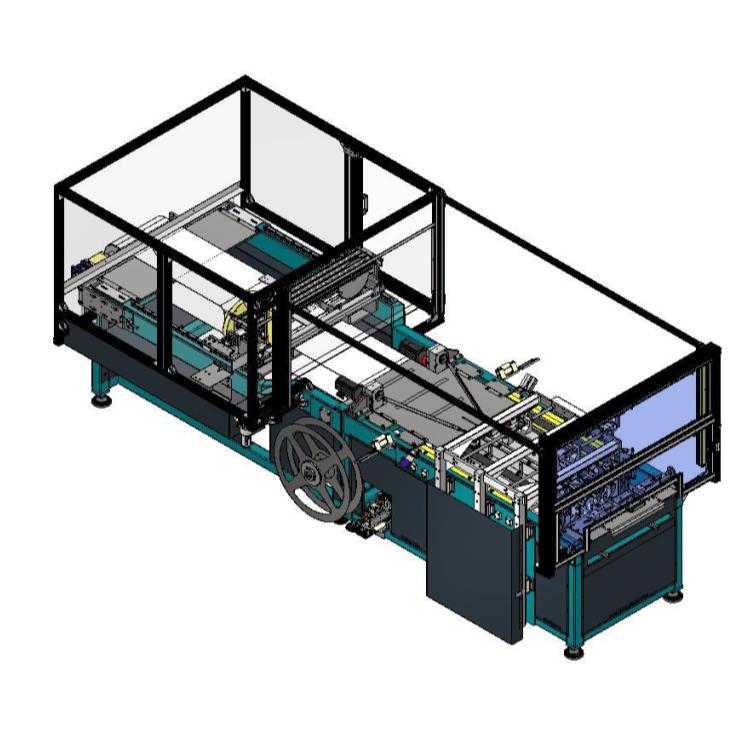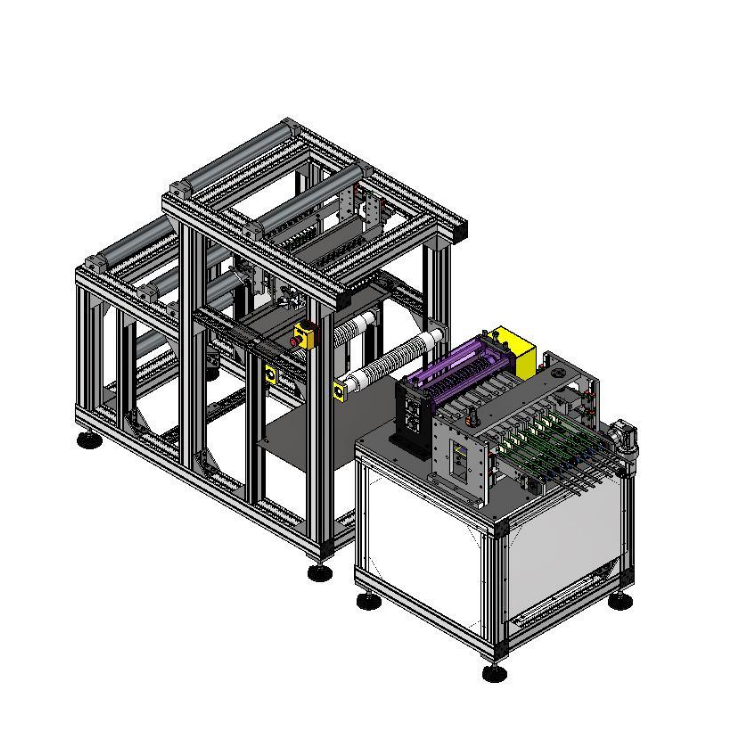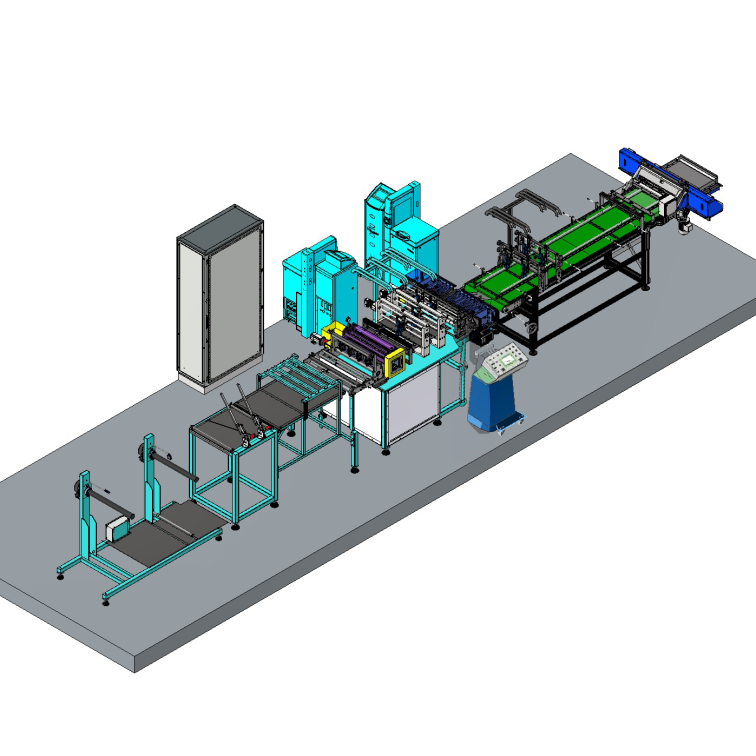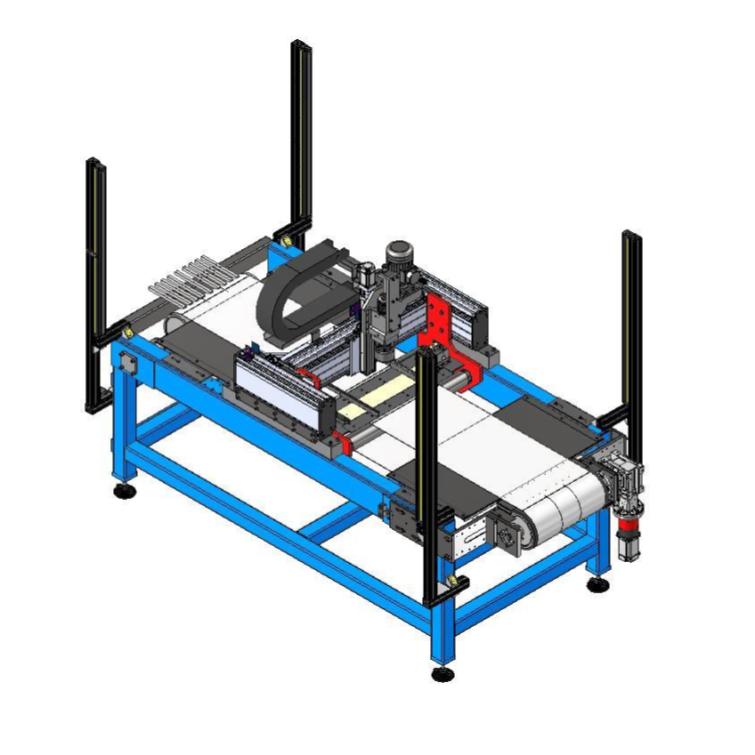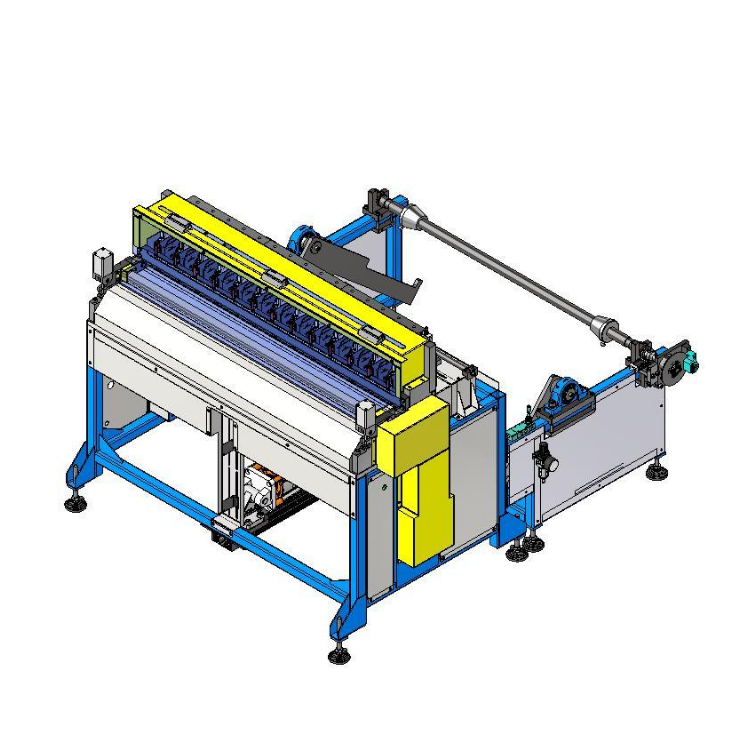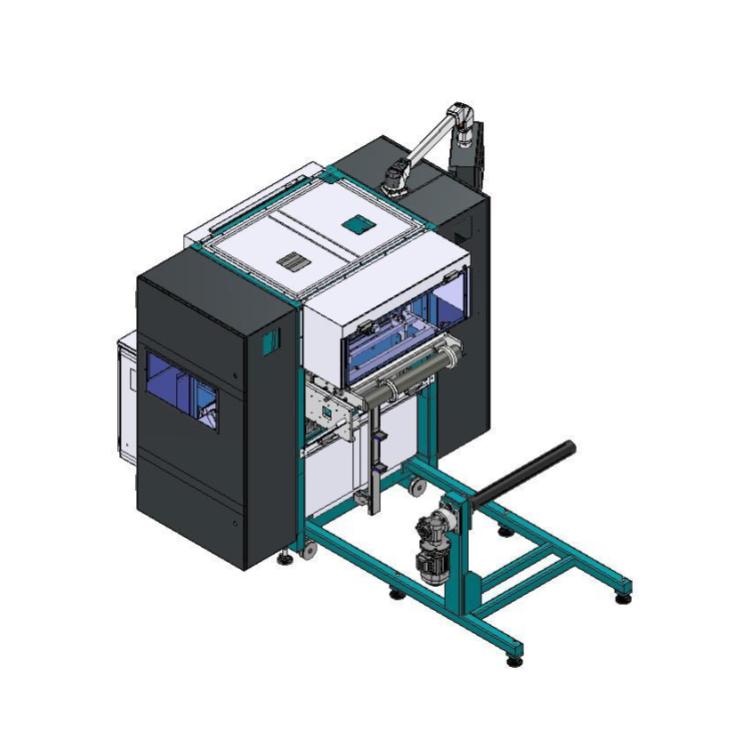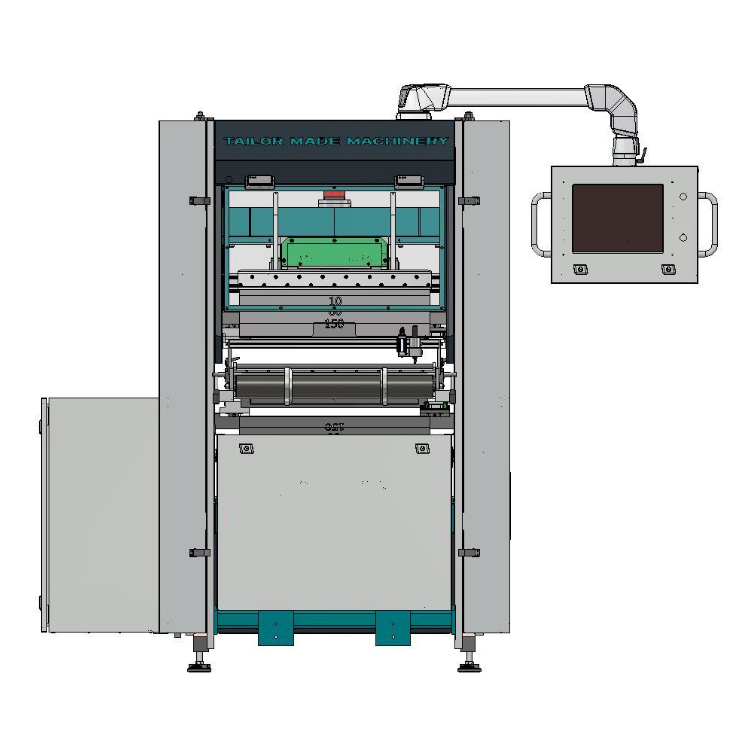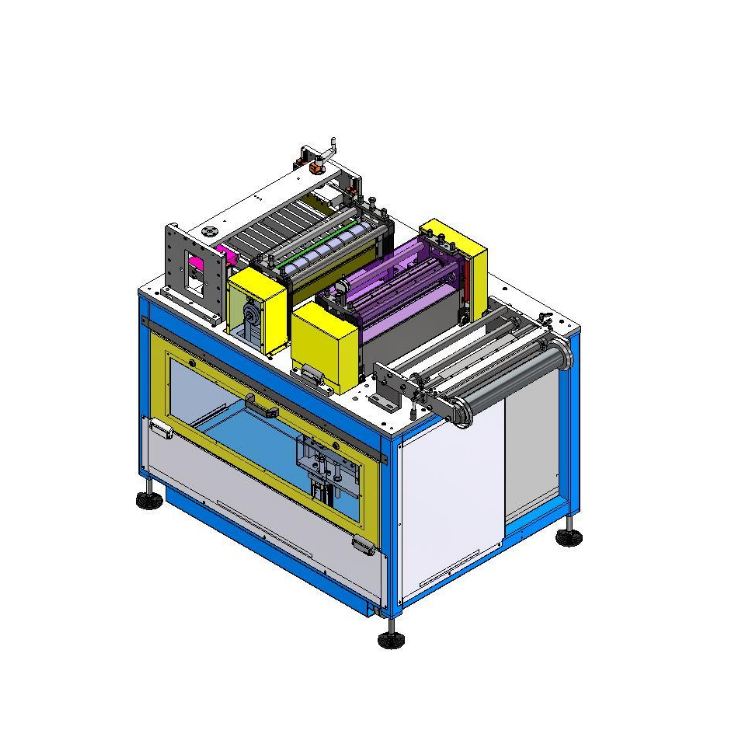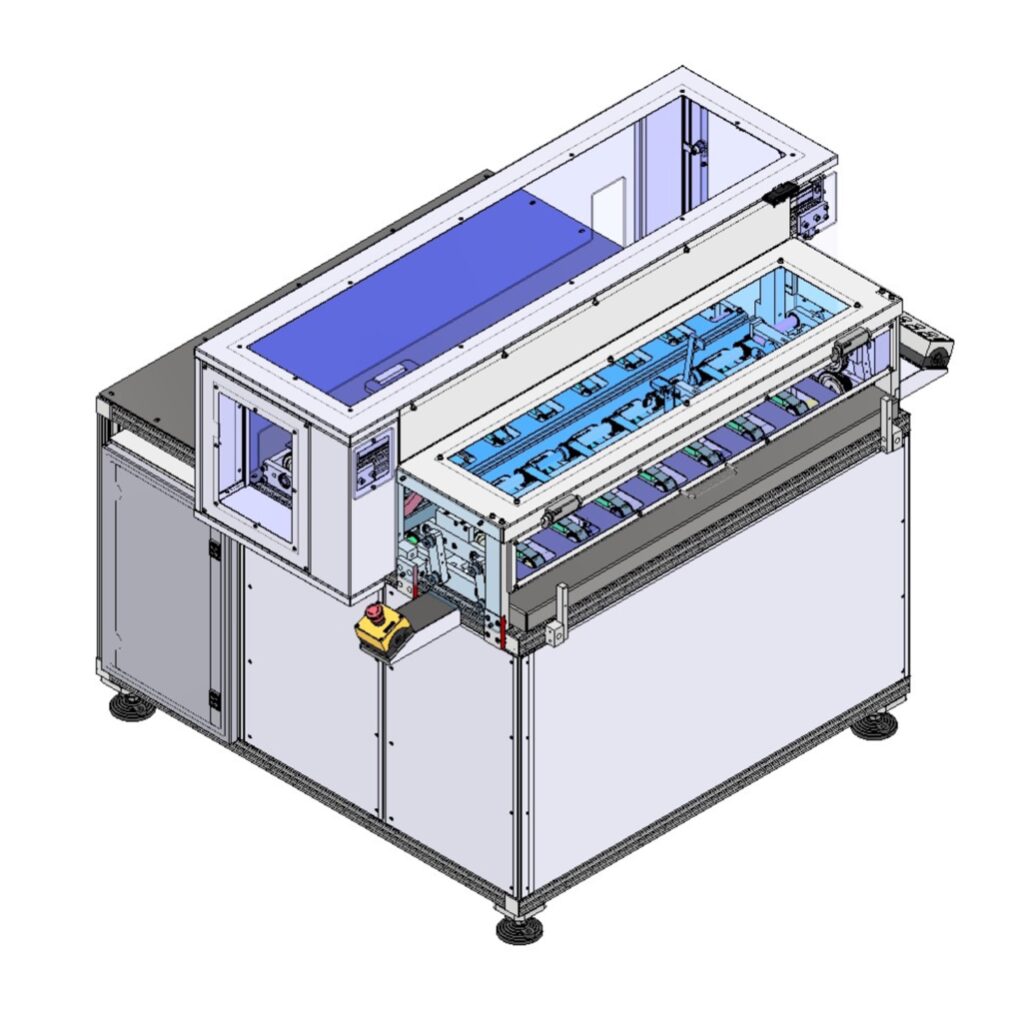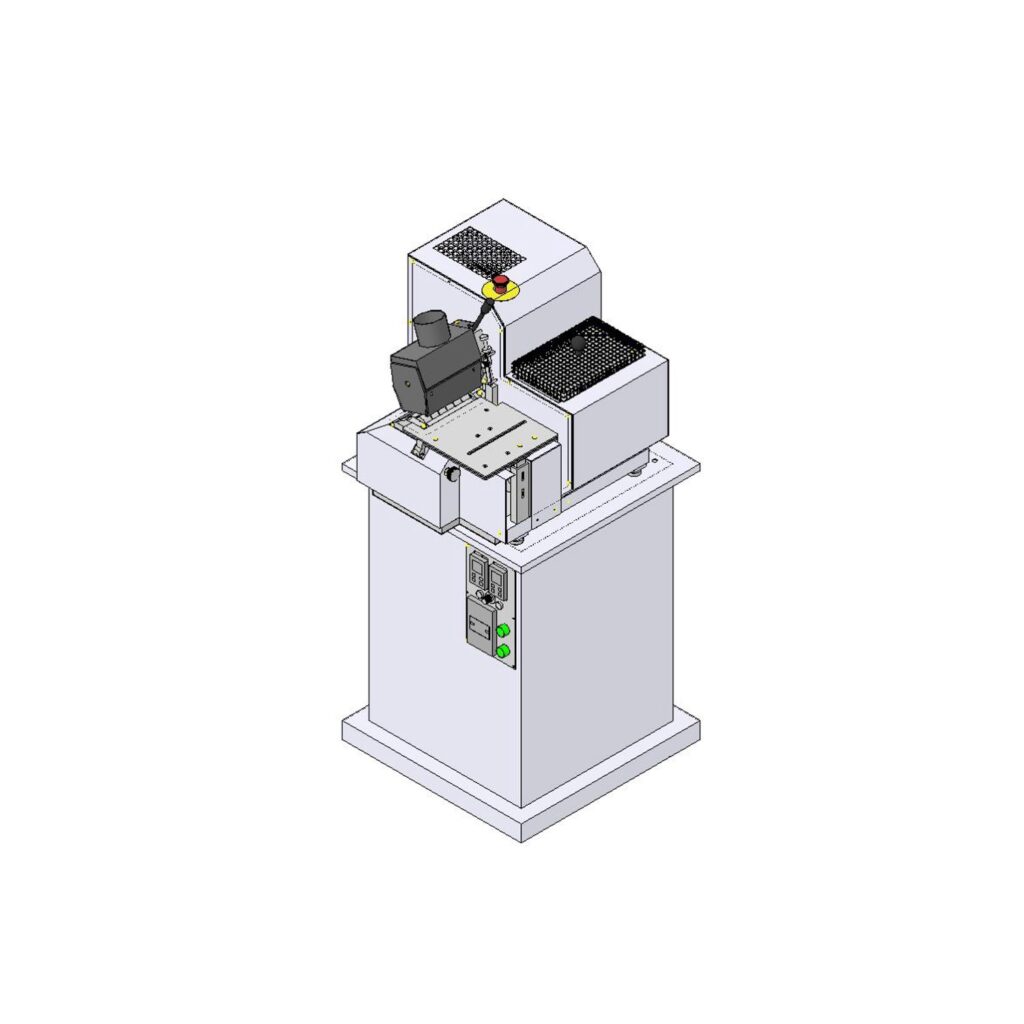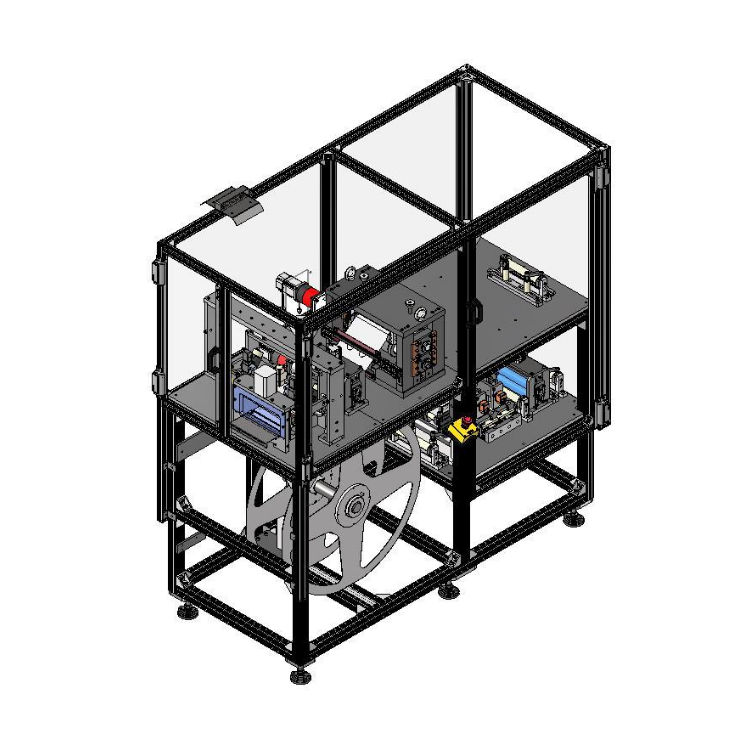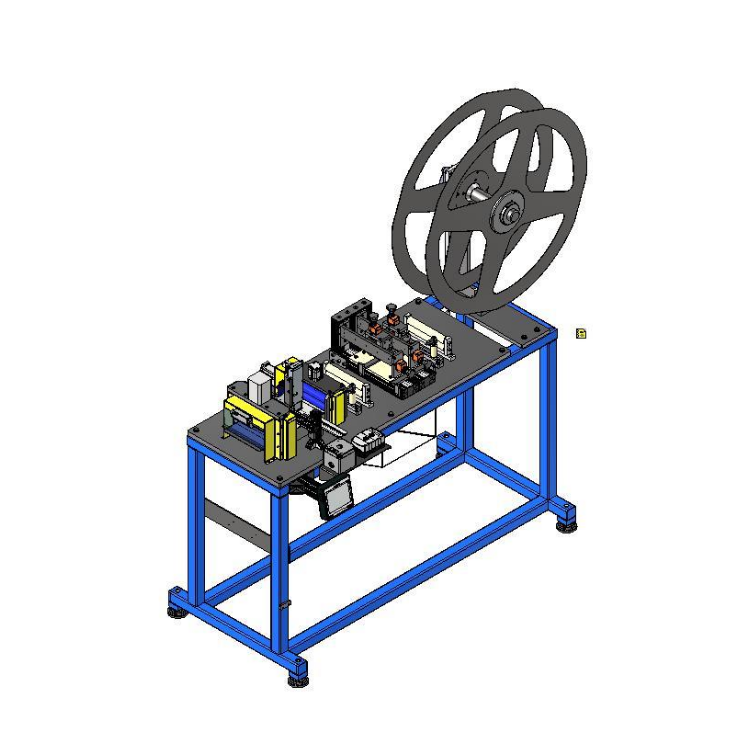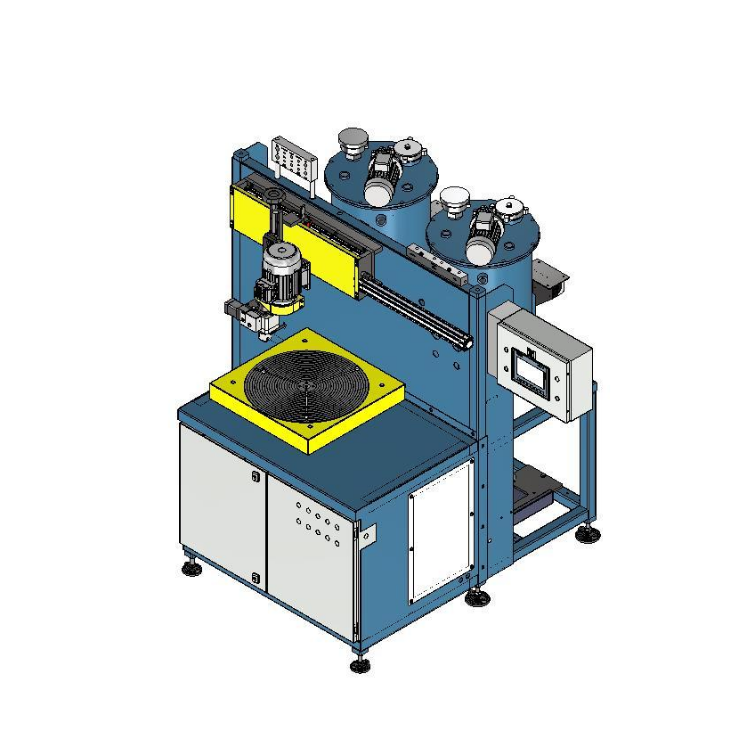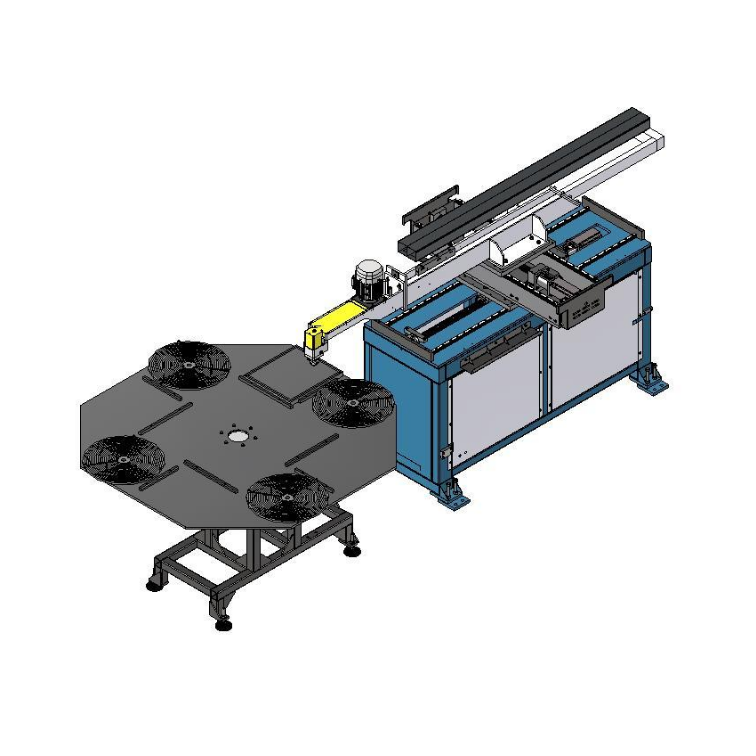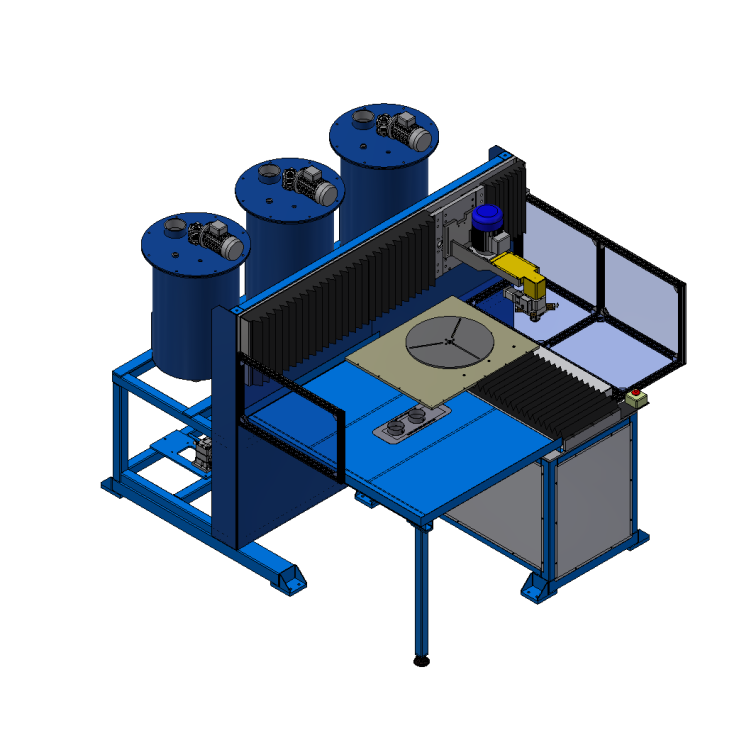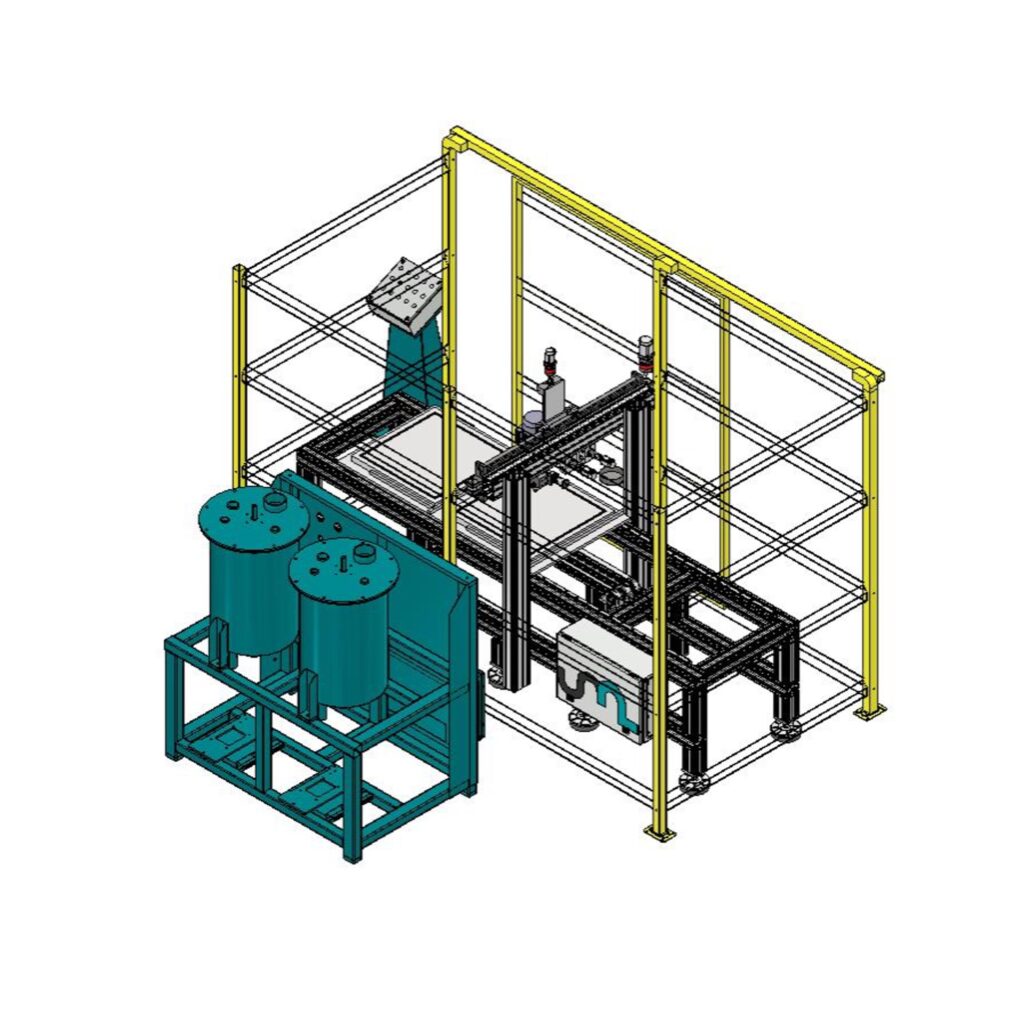

In the pharmaceutical sector, filter production allows for no undocumented variability. A HEPA filter for a Grade A or B cleanroom must comply with the EN 1822 standard as a finished product, and the manufacturing machine must guarantee that every element is built using the same parameters as the previous one. This is where SPM focuses its market offering: not on production speed—which is secondary to precision—but on the documentable repeatability of every cycle.
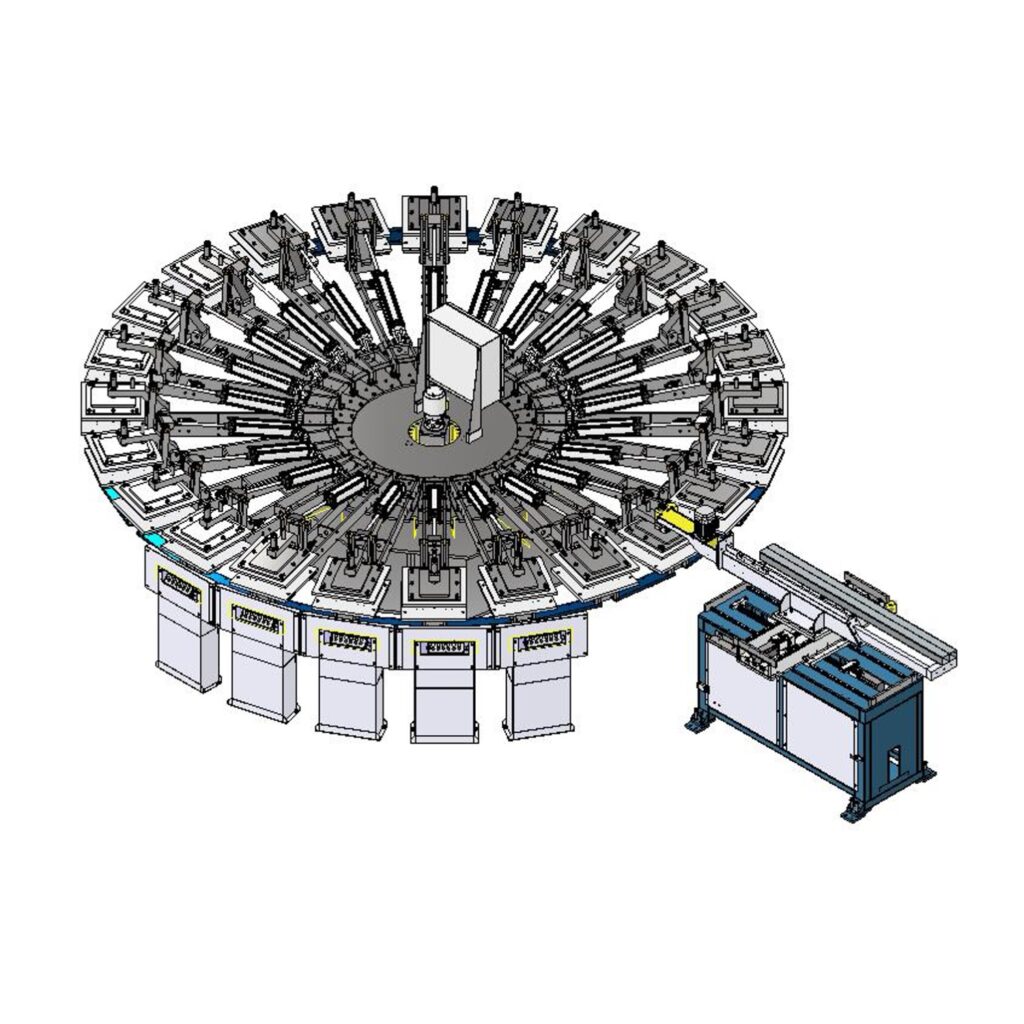
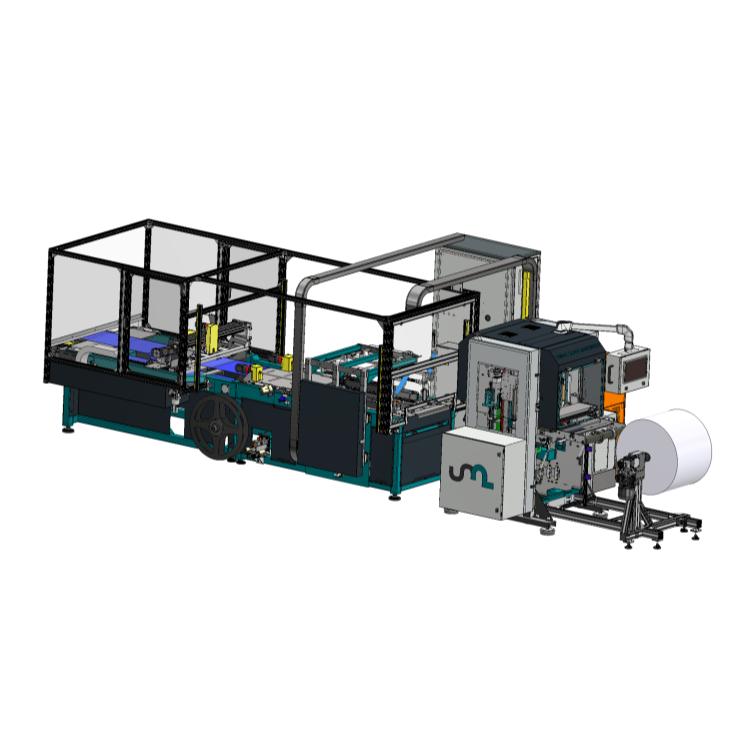
SPM has already validated production lines for EN 1822-compliant minipleat HEPA filters (classes H13 and H14) operating in ISO 7 environments. The pleat pitch is maintained between 1.5 and 4 mm with a repeatability of ±0.1 mm, thanks to a tension control system integrated into the pleating machines; with the glass fiber used for pharmaceutical HEPA filters, a tension error during feeding results in torn fabric or irregular pleats—defects that render the element unusable. Hot-melt deposition for separators employs up to 48 heated nozzles per side with temperature control accurate to ±1°C, offering selectable deposition modes such as continuous, intermittent, dot, or Foam technology.
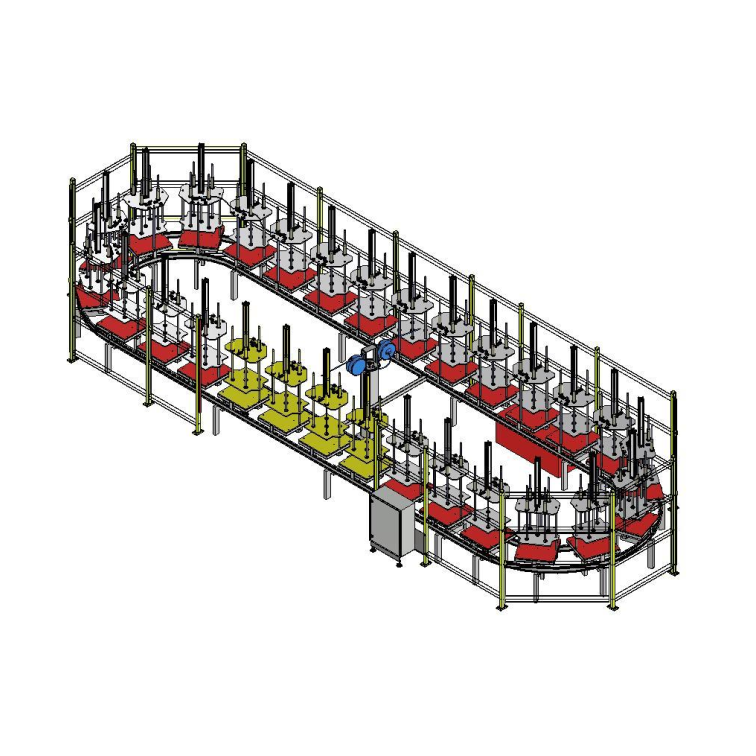
Pharmaceutical filter manufacturers working with SPM cover diverse segments: HEPA filters for Grade A/B/C/D cleanrooms, HEPA filters for respirators and industrial safety masks, and process filters for sterile liquids. Each production line configuration starts from a common base and is adapted to specific product requirements, eliminating the need for separate systems for different product variants.
As in the aerospace industry, process traceability and design confidentiality are frequently required in the pharmaceutical sector. SPM is structured to handle both: the former through the recording of machine parameters upon request, and the latter through confidentiality agreements covering custom-developed specifications and geometries.