The Two-Stage Process: Filter Pack and Frame Bonding
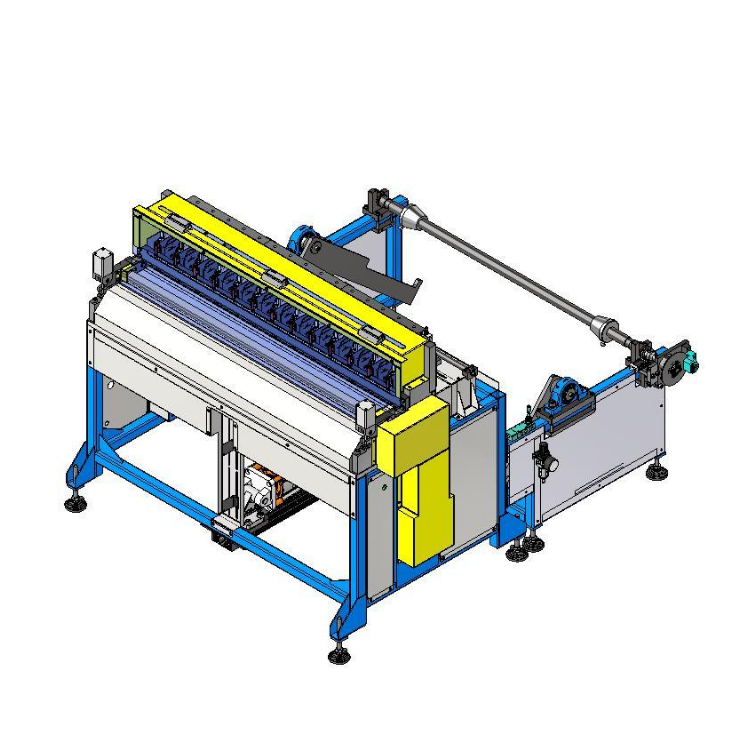
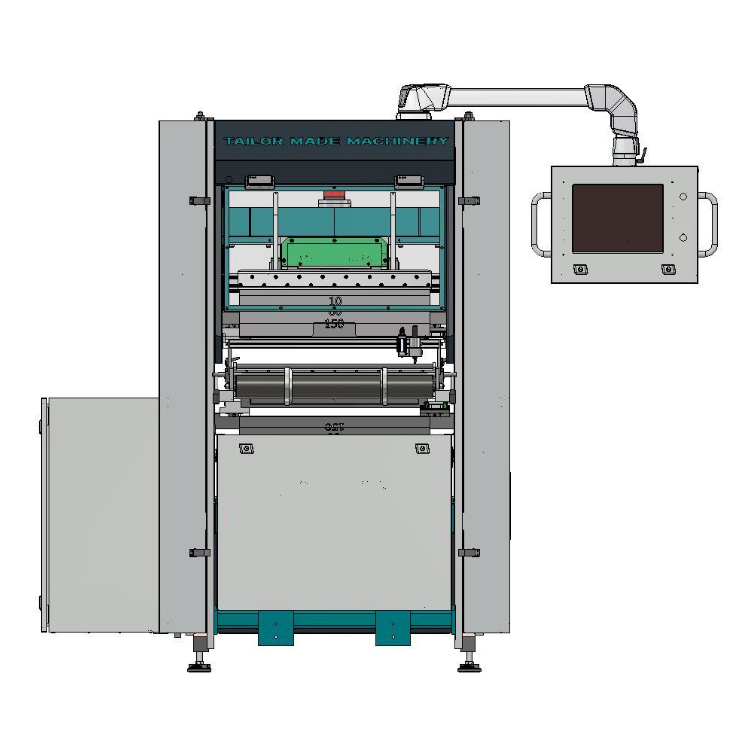
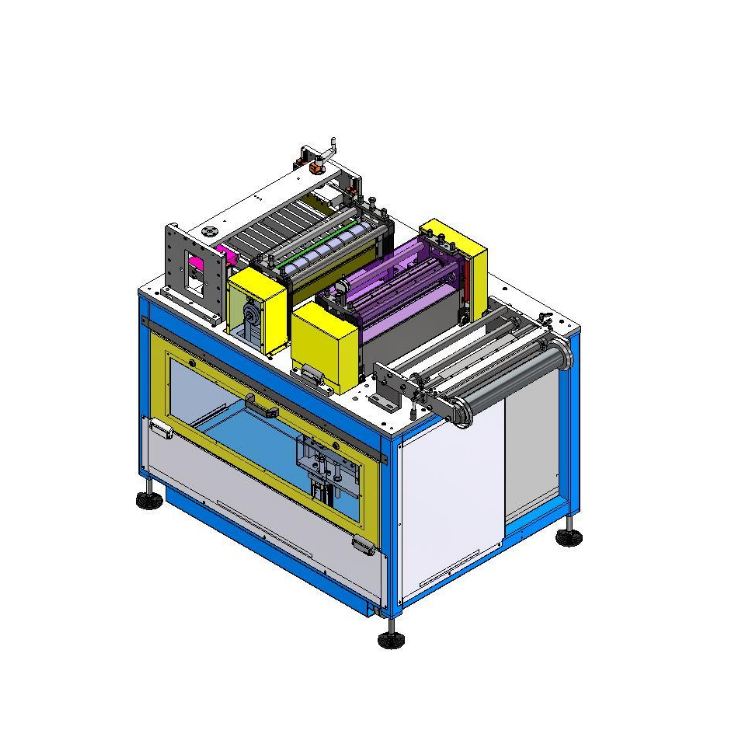
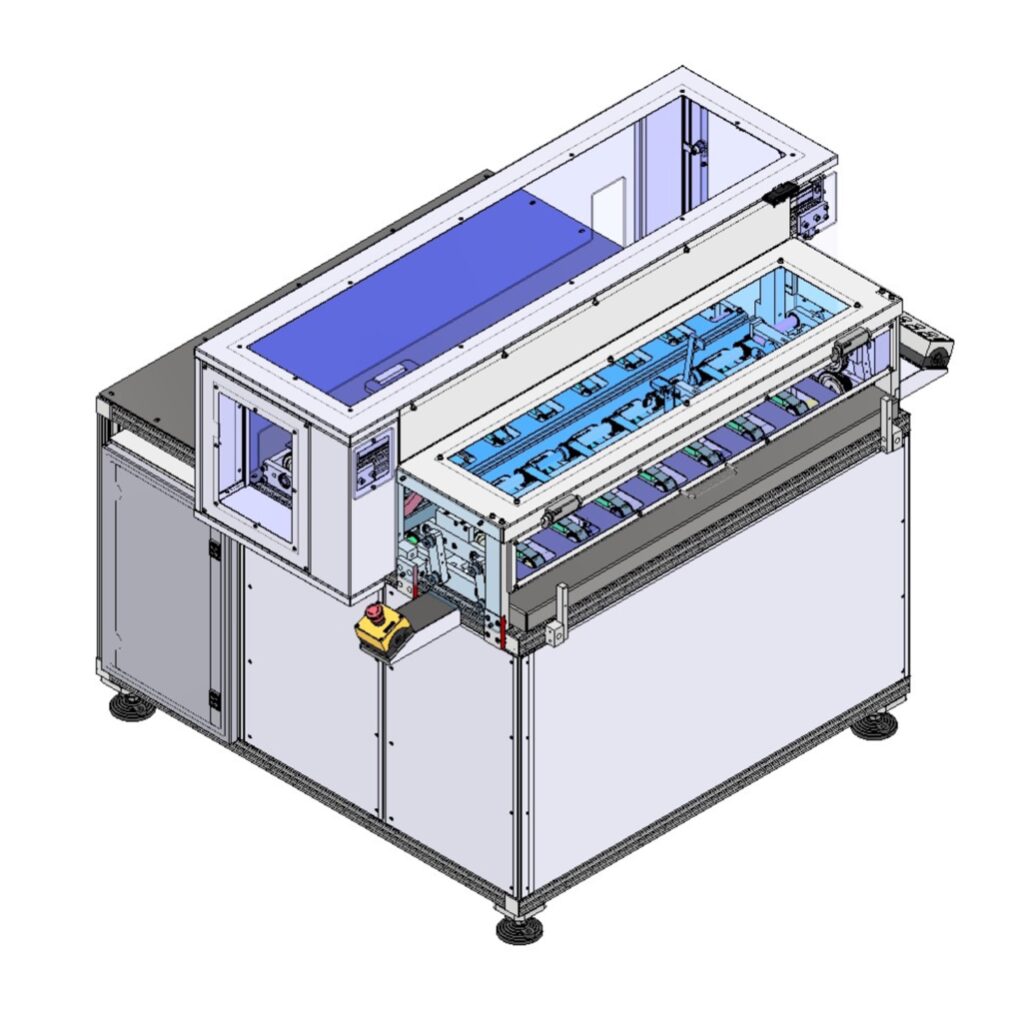
The rigid pocket filter is manufactured in two distinct stages. First, the minipleat filter pack is formed using the 91XPR roller pleating machine combined with the 95XFP forming machine, or the dedicated 91XPM. The pack is then bonded to the plastic frame using epoxy resin.
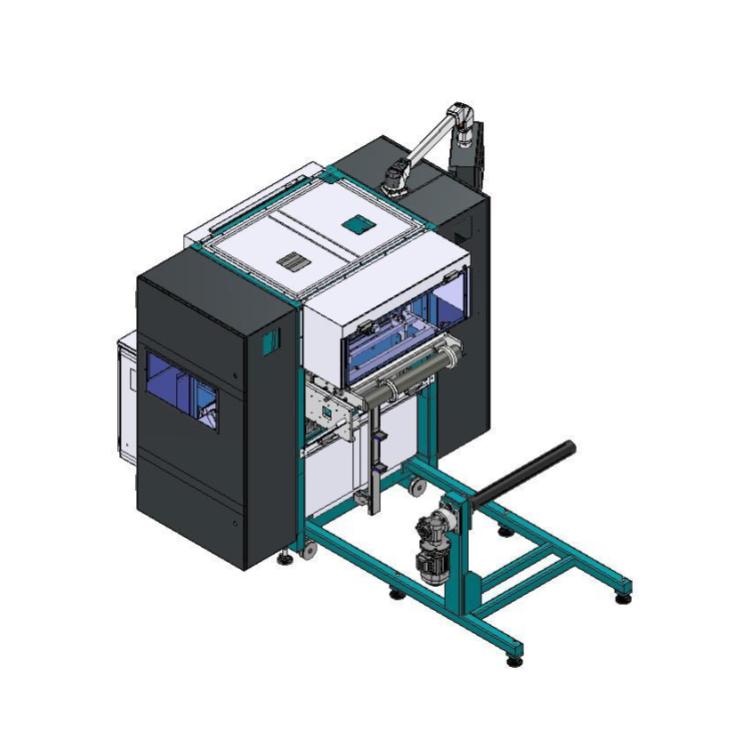
Bonding can be carried out manually using the 85TST machine or on a fully robotic cell.
Robotic Cell: 30-Second Cycle, Actual Production of 60 Filters/Hour
There is one detail about the robotic cell that often leads to incorrect expectations. The robot cycle time is approximately 30 seconds. In theory: more than 100 filters/hour. In practice: approximately 60 filters/hour.
The bottleneck is not the robot. It is the curing time of the epoxy resin. To sustain the robot’s theoretical production rate, a much larger curing storage area would be required than is available in most plants. This is something that needs to be defined in the layout before purchasing the machine, not afterwards.
Efficiency Classes and Dimensions
SPM machines process F7, F8 and F9 classes without modifications to the line: only the upstream filter media changes. The available sizes include all standard commercial dimensions, as well as custom sizes based on customer specifications.
These filters are typically used in intensive care units, operating rooms, pharmaceutical cleanrooms and microelectronics environments: applications where consistent pocket geometry matters more than any other production variable.