Cutting Is the Critical Step, Not Pleating
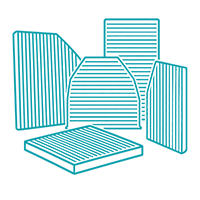
In the production of cabin air filters, including shaped formats, the most critical stage is not pleating. It is cutting. The filter must be cut precisely at the bottom of the pleat, uniformly across the entire width, even at maximum line speed.
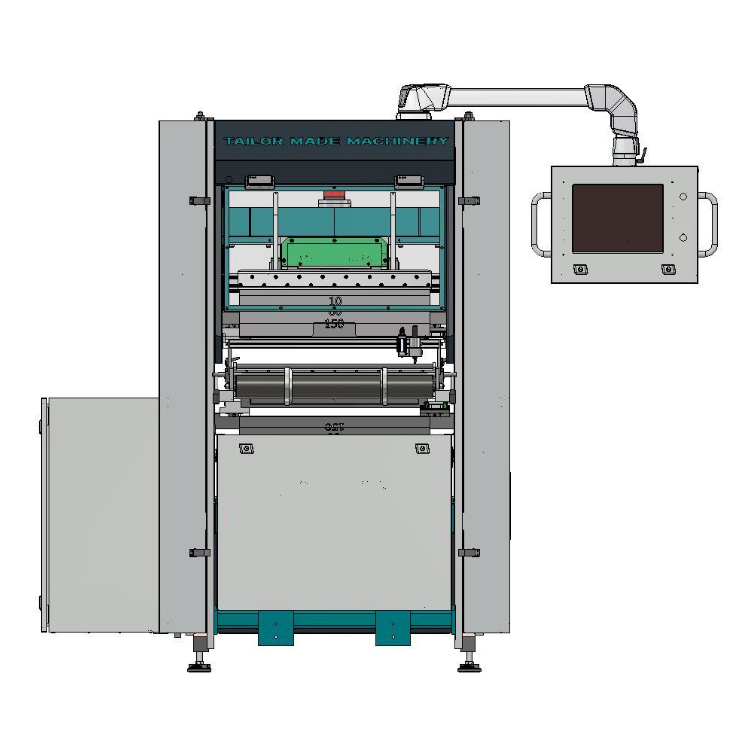
SPM addresses this with a laser positioning system. The laser detects the position of the pleat immediately before cutting. Accuracy remains consistent even at high production speeds.
Combined Filters with Activated Carbon: No Additional Process Step
Combined filters with an activated carbon layer do not require a separate process. The two layers are heat-sealed at the ends and pleated together as a single material. No dedicated line is required.
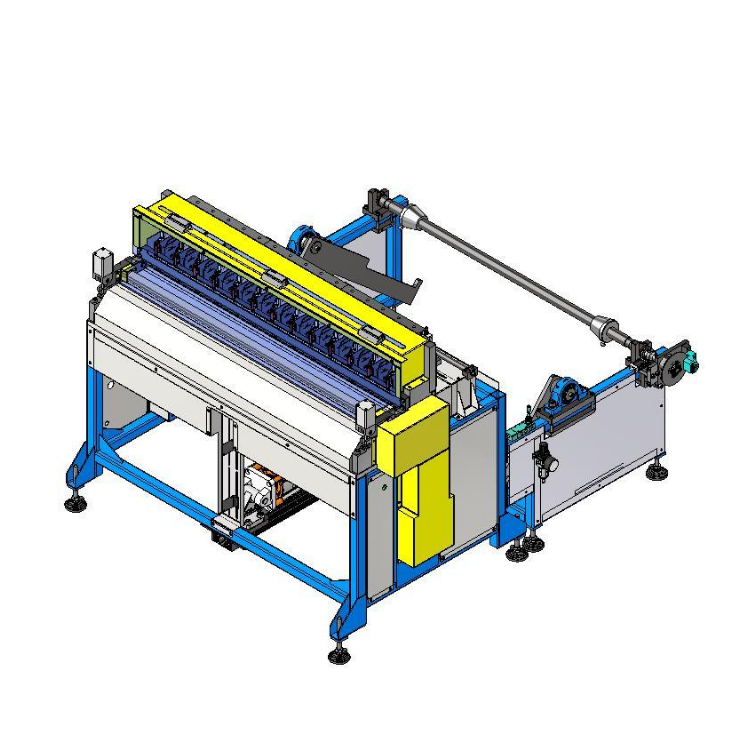
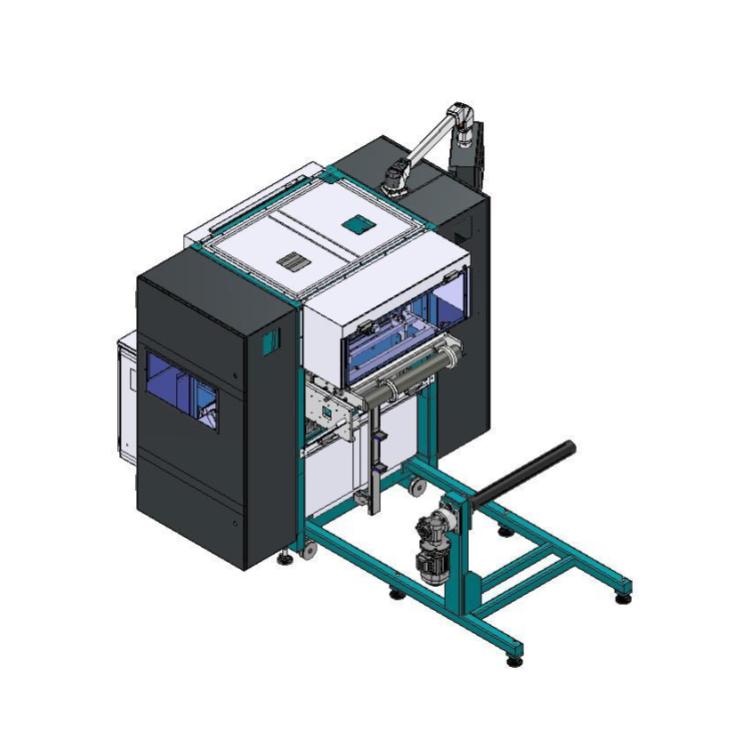
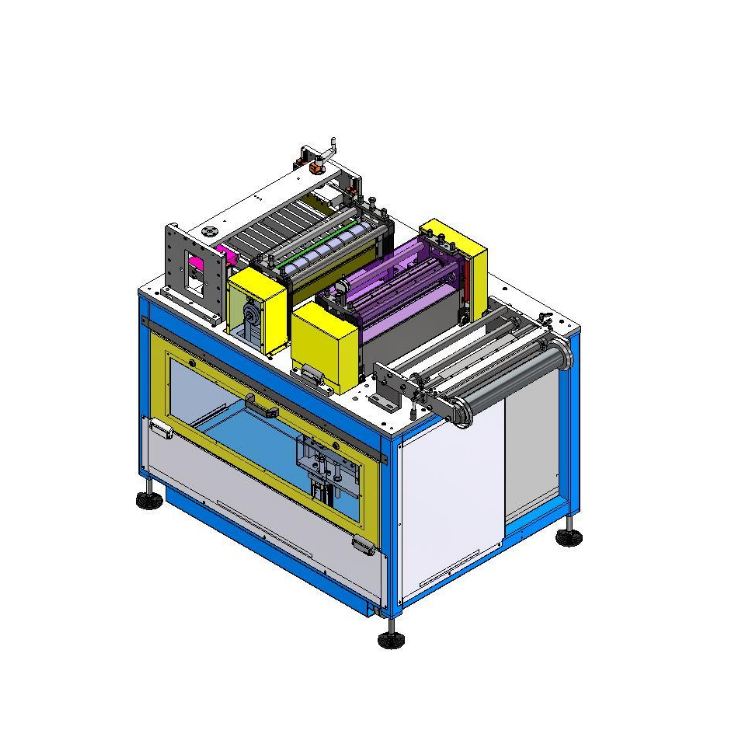
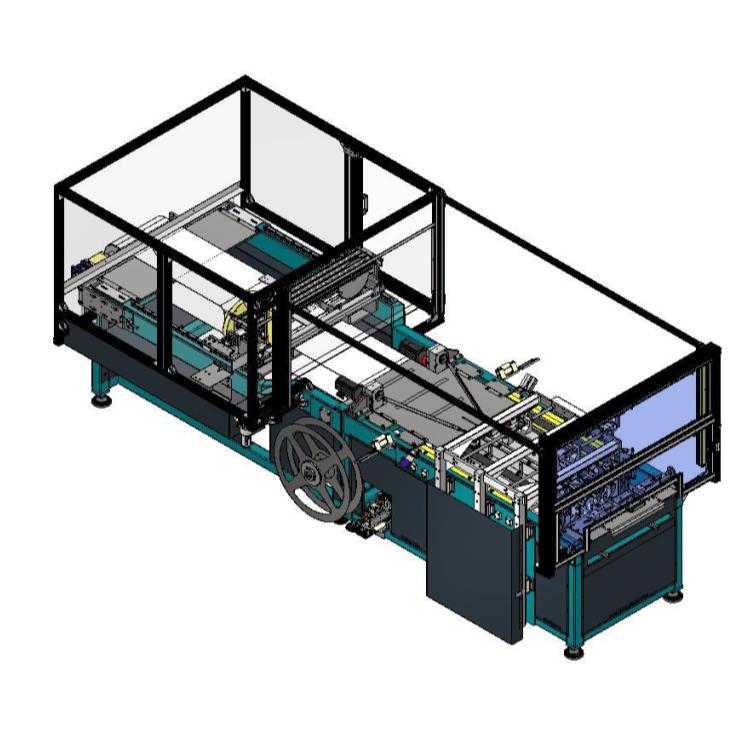
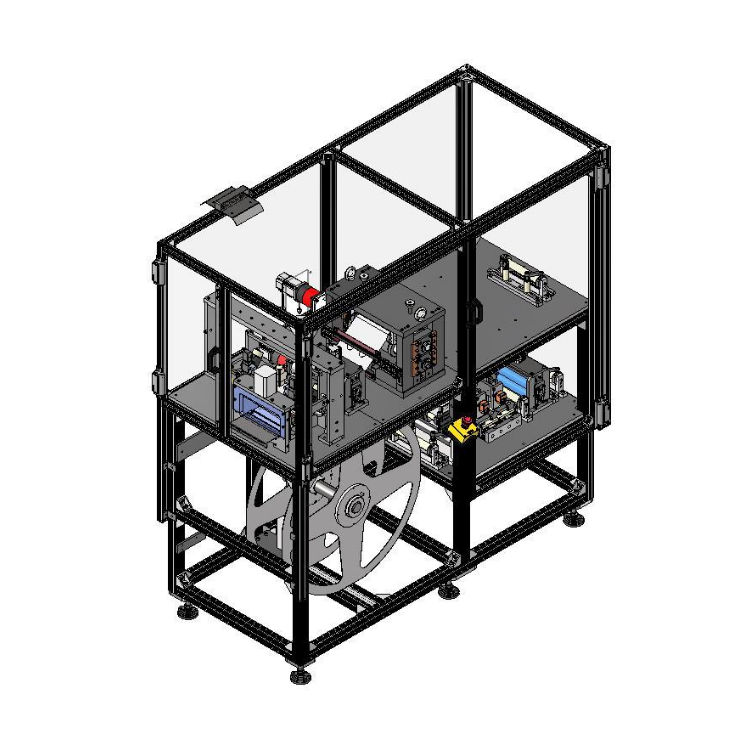
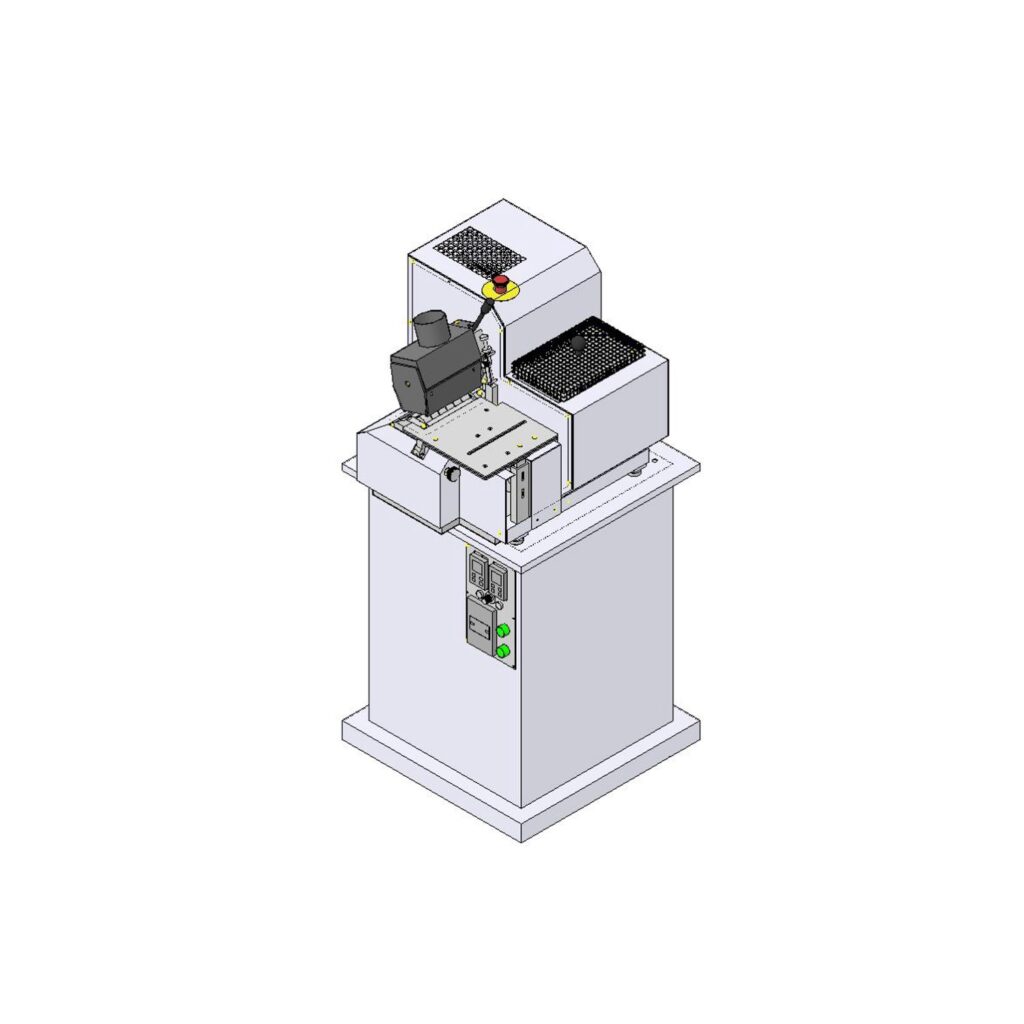
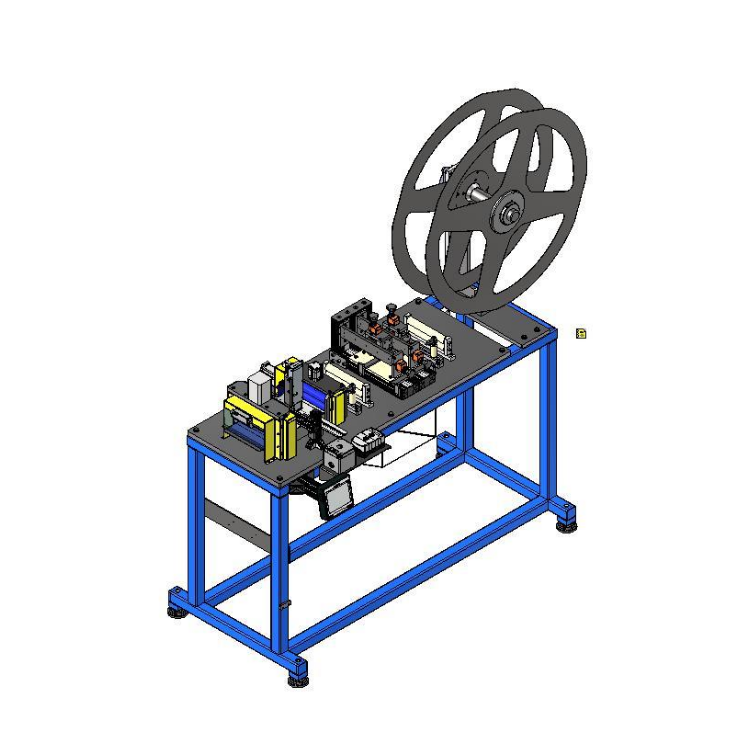
The typical line includes: 92XTS pre-cutting, blade or roller pleating, 90XSB strip gluing or the screwless SV version, cutting and final gluing with 95XCUT and 94XTA.
Format Changeover: How Long Does It Really Take?
Format changeovers cover pleat heights from 10 to 150 mm and widths from 120 to 600 mm. If the screws do not need to be changed: approximately 10 minutes. With a screw change: 20–30 minutes, depending on the operator. For manufacturers handling dozens of vehicle part numbers on the same line, this time quickly adds up.
A concrete example: switching from a semi-automatic line (4 filters/minute) to a fully automatic line increased production to 10 filters/minute at a customer’s plant. Productivity increase: +60%.