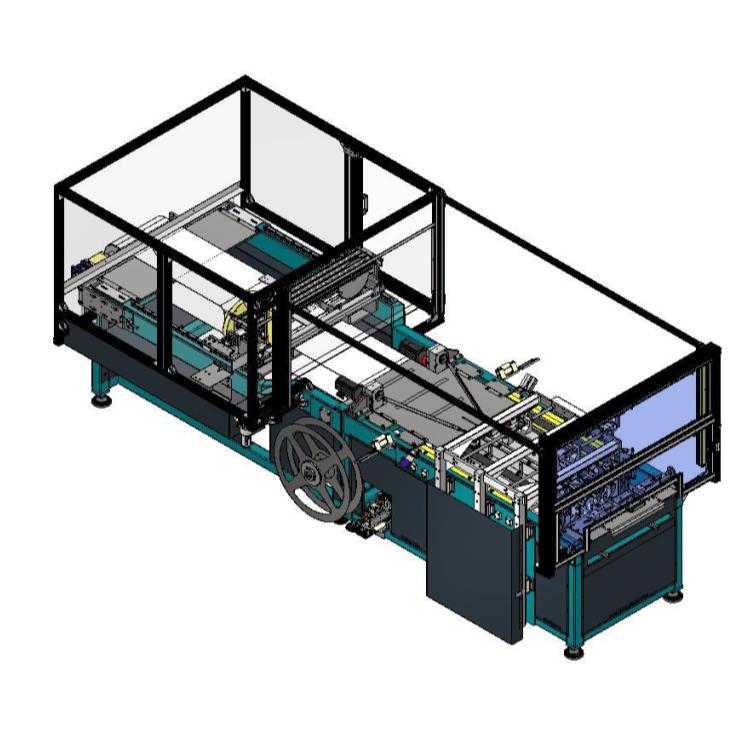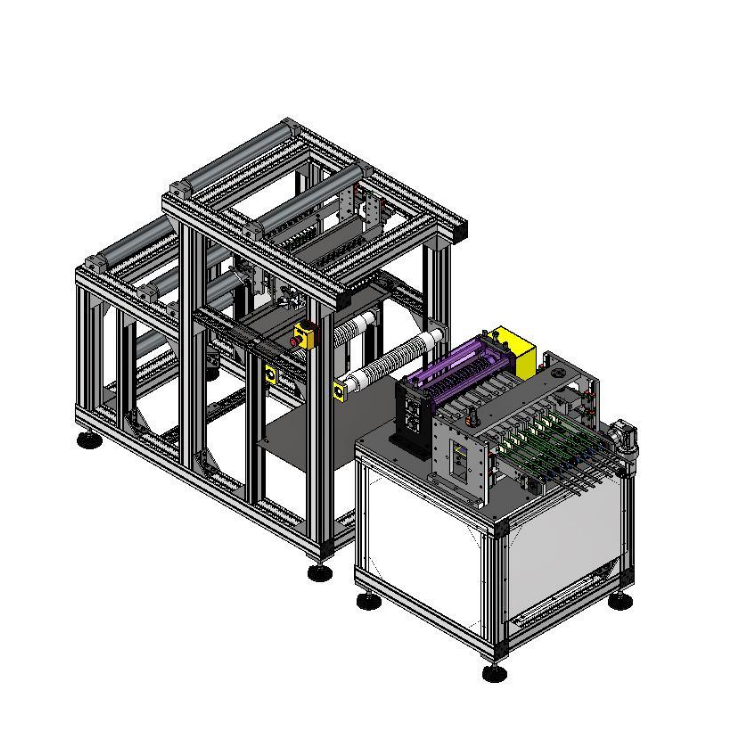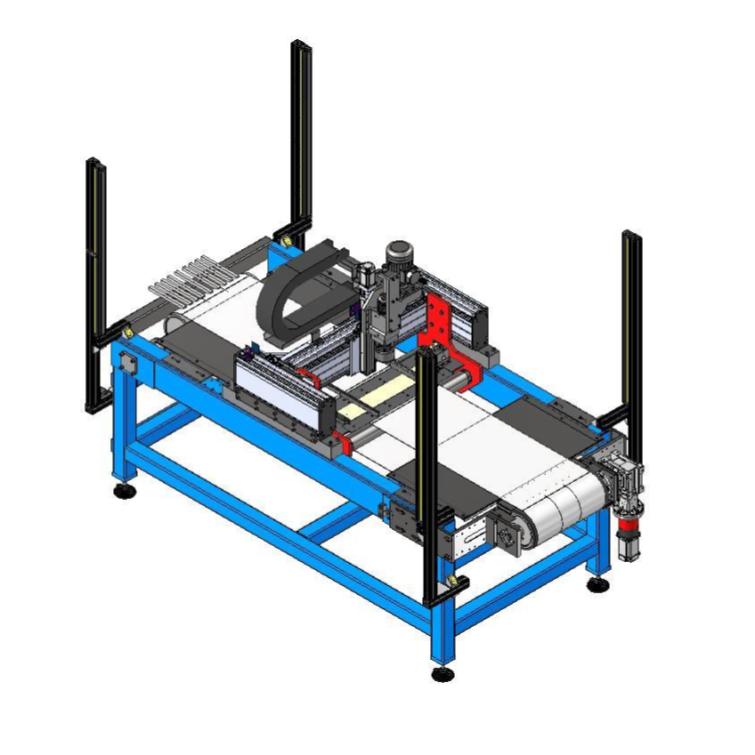
In the energy and oil & gas sectors, filter production focuses on two very different product families. Gas turbine intake filters are large components—often featuring multi-layer media and non-standard geometries—produced in relatively low volumes but to very strict quality specifications; a filter that fails to maintain its rated efficiency can cause accelerated wear on the downstream turbine. Conversely, hydraulic system filters are closer to standard cartridges, featuring fine media (3–5 microns) and often aluminum end-caps; here, the critical requirement is resistance to differential pressure under repeated thermal cycling.
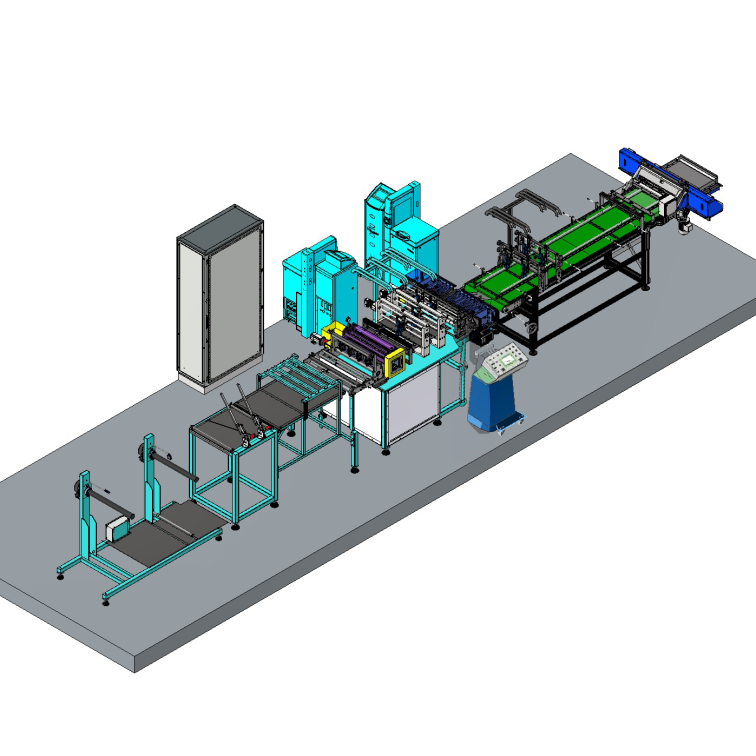
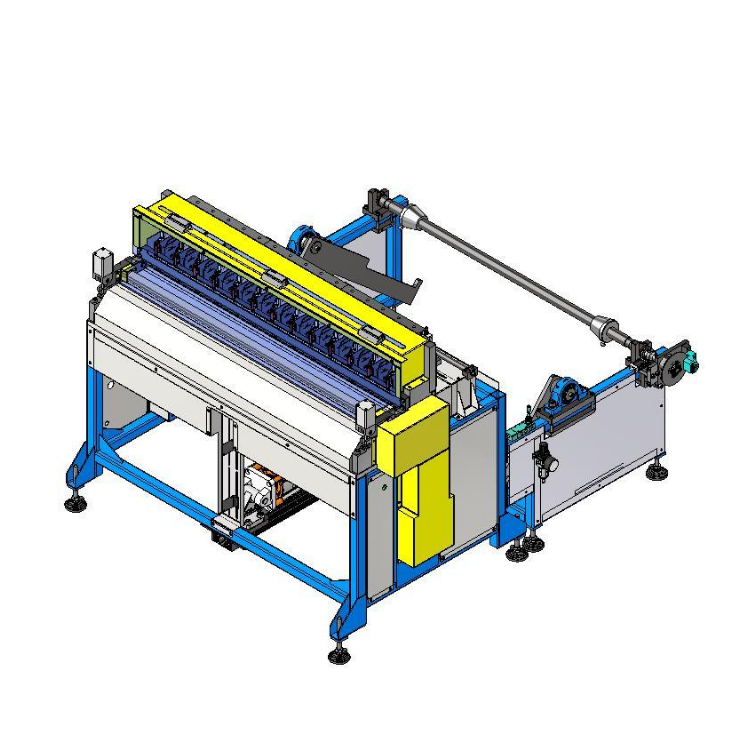
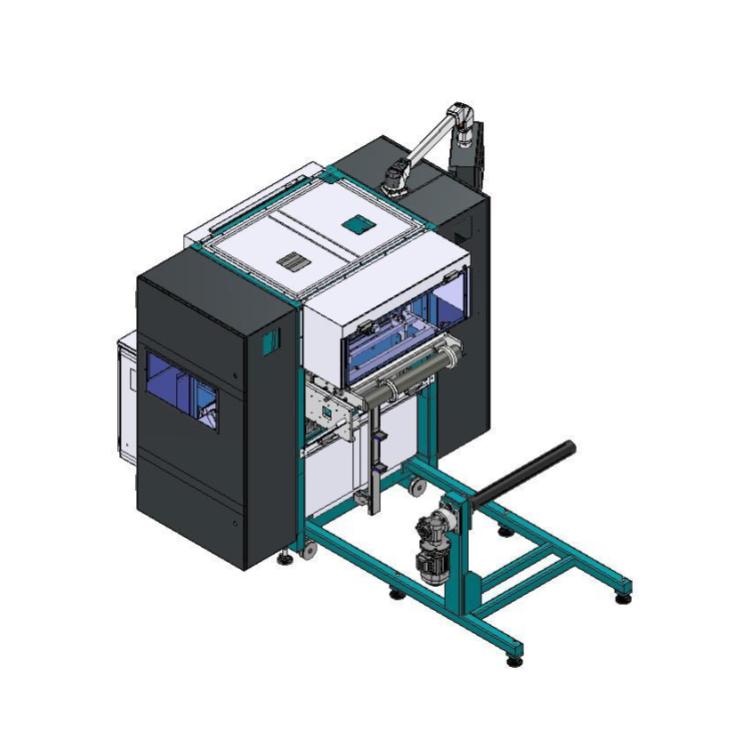
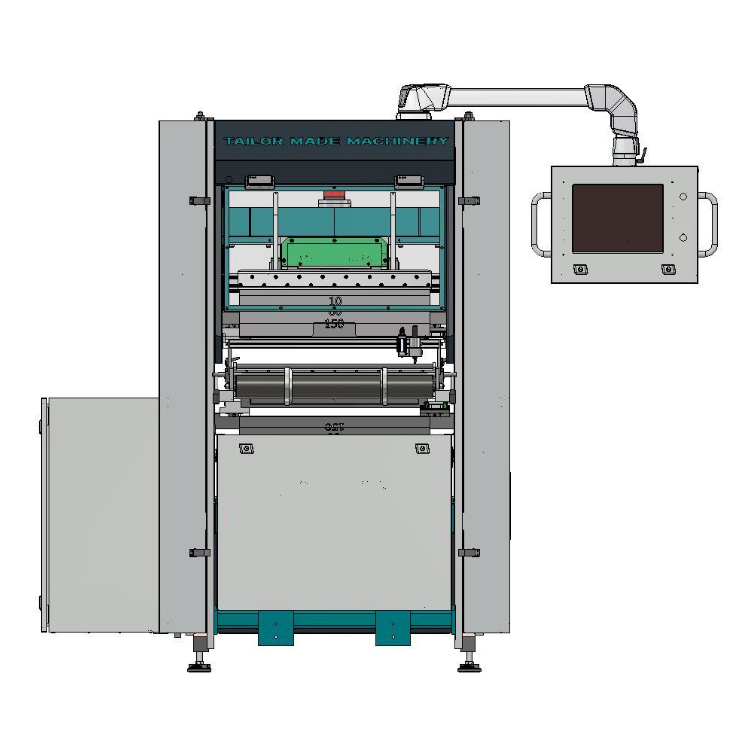
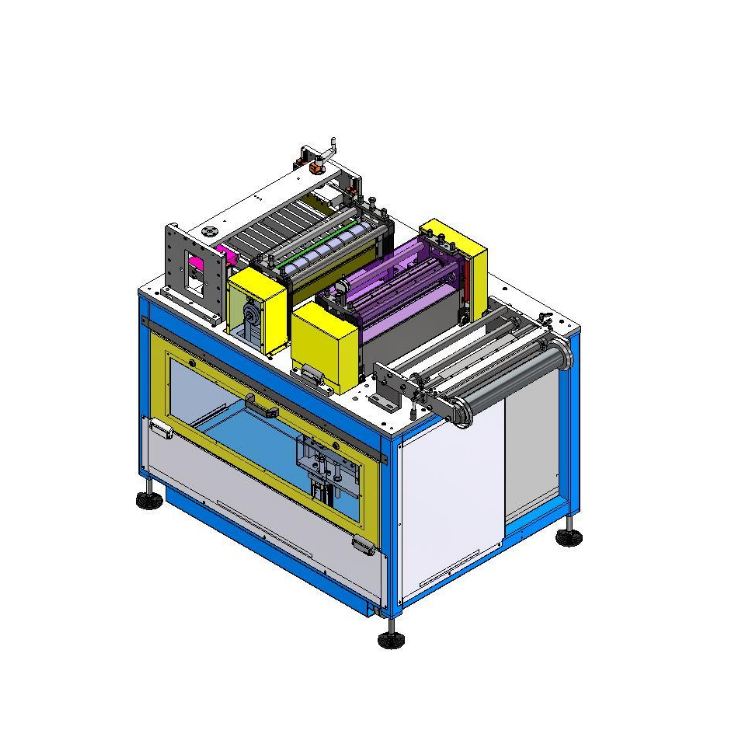
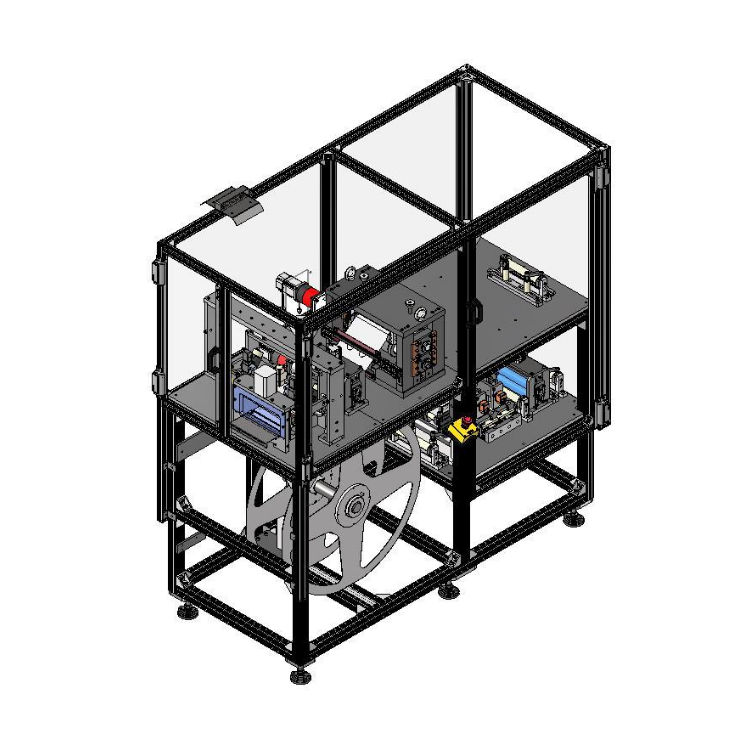
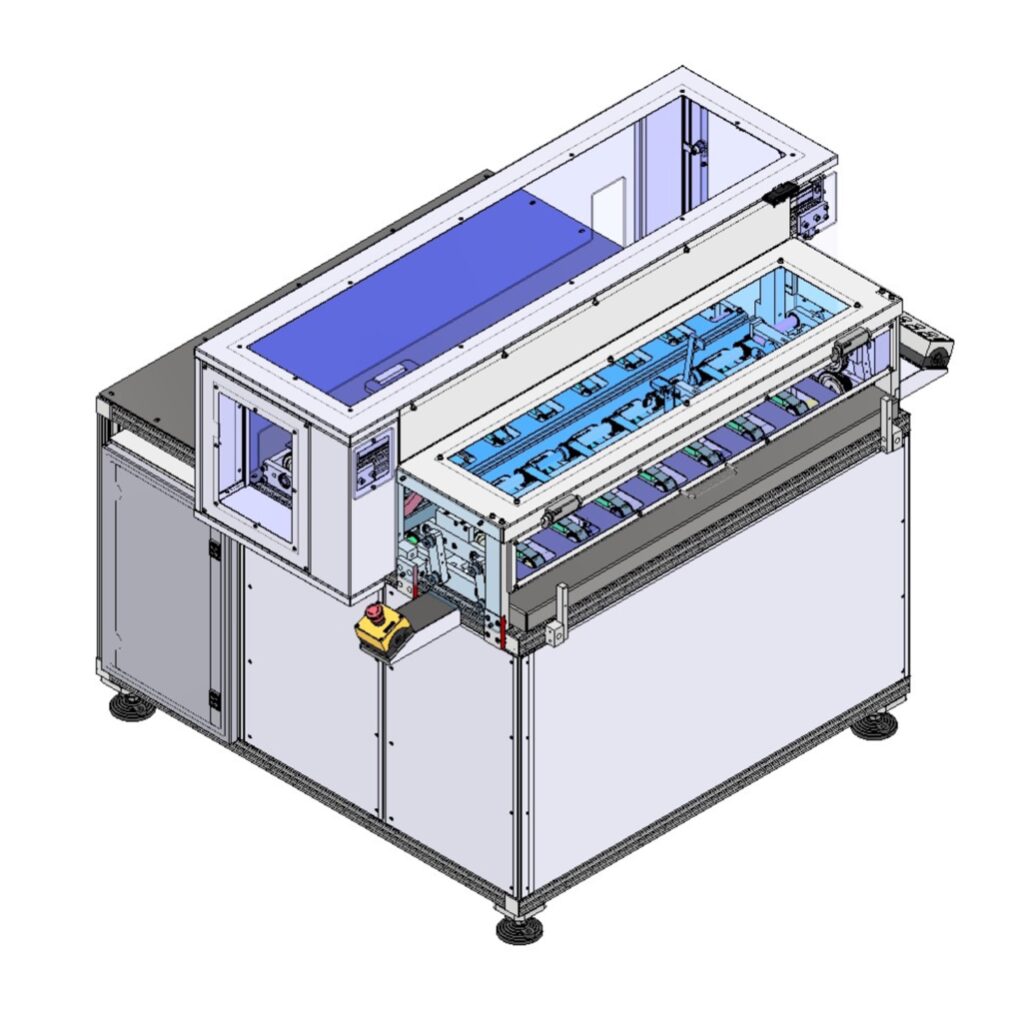
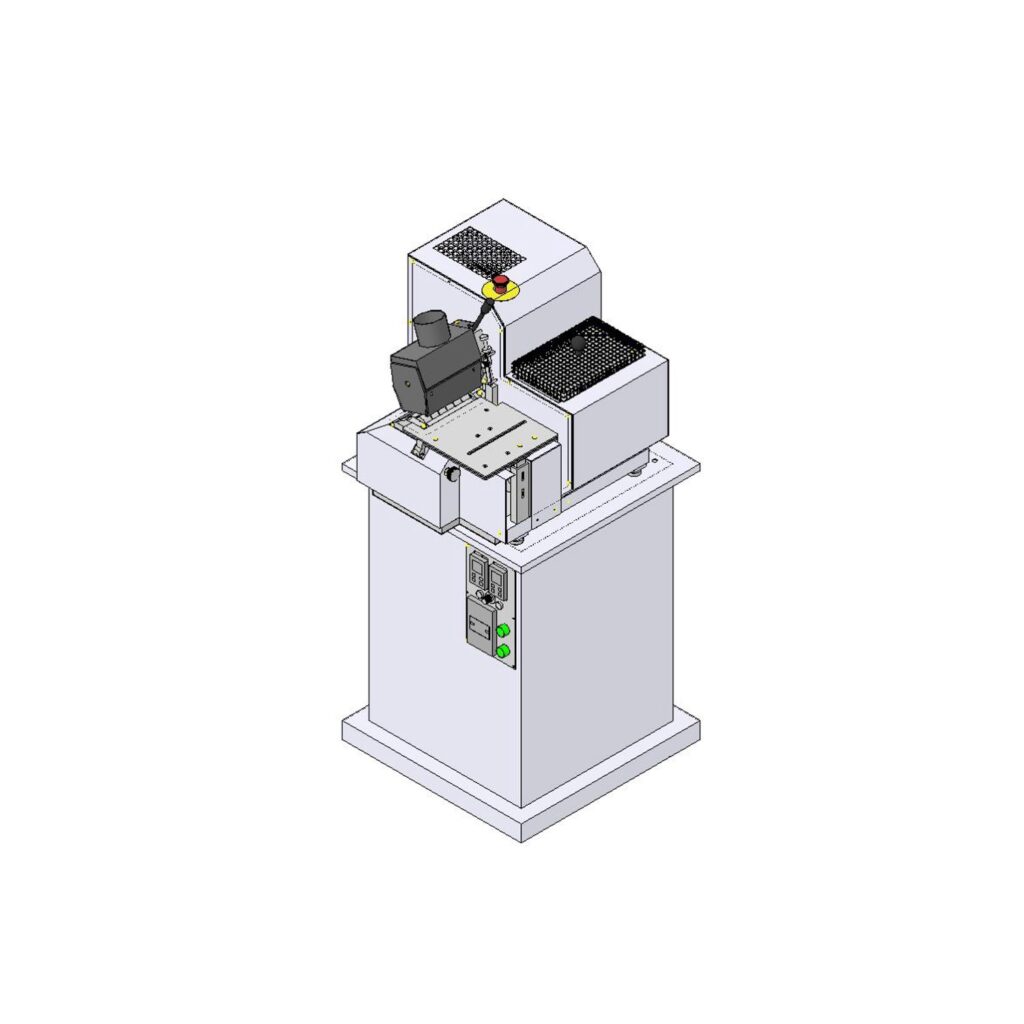
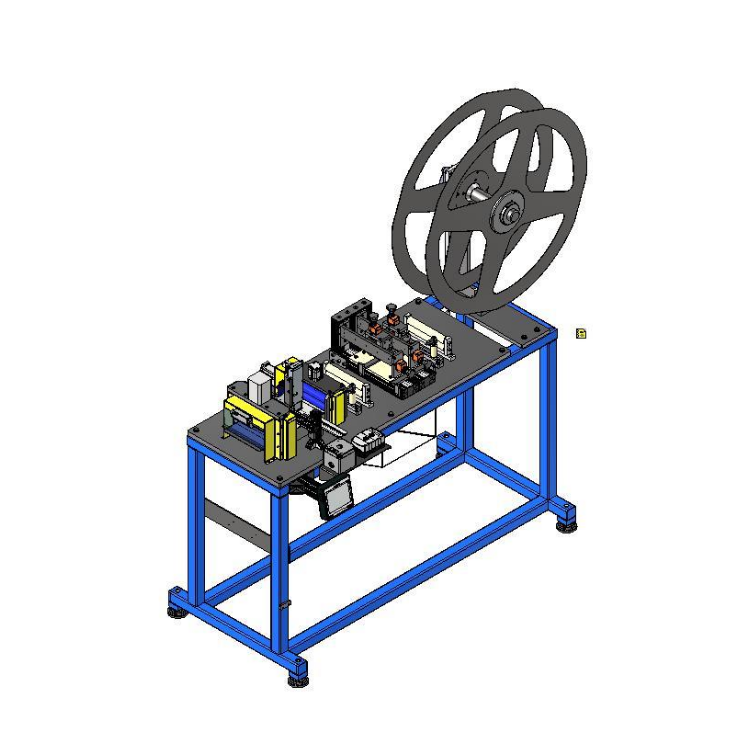
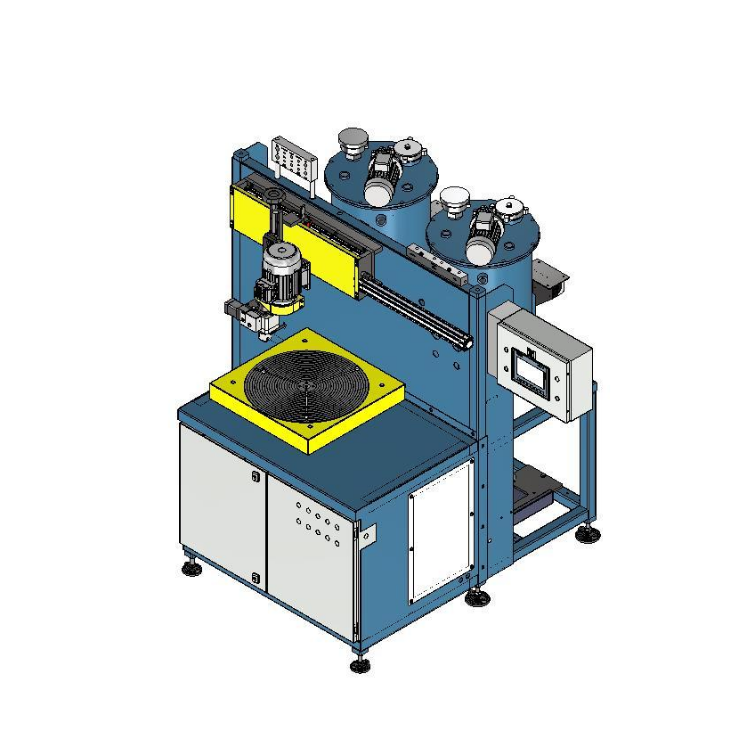
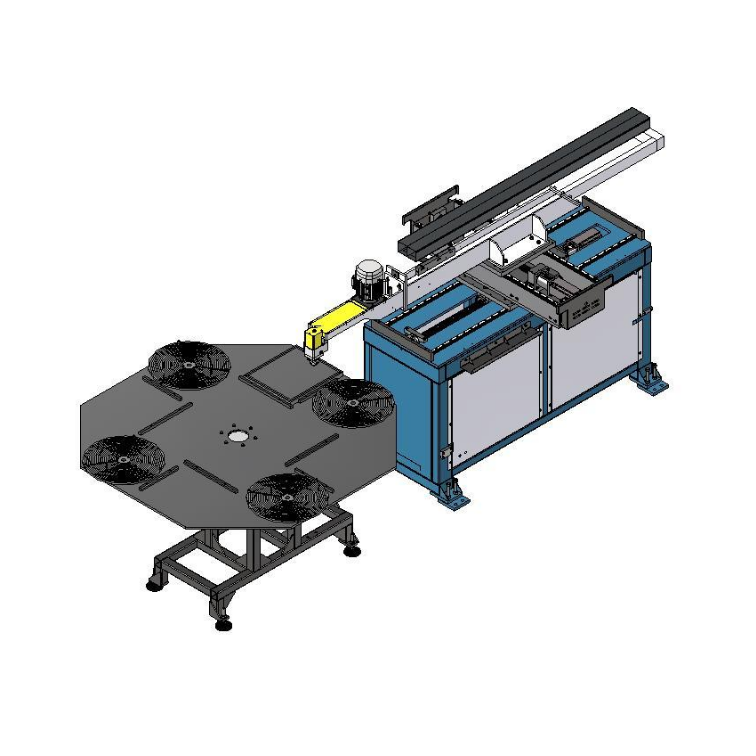
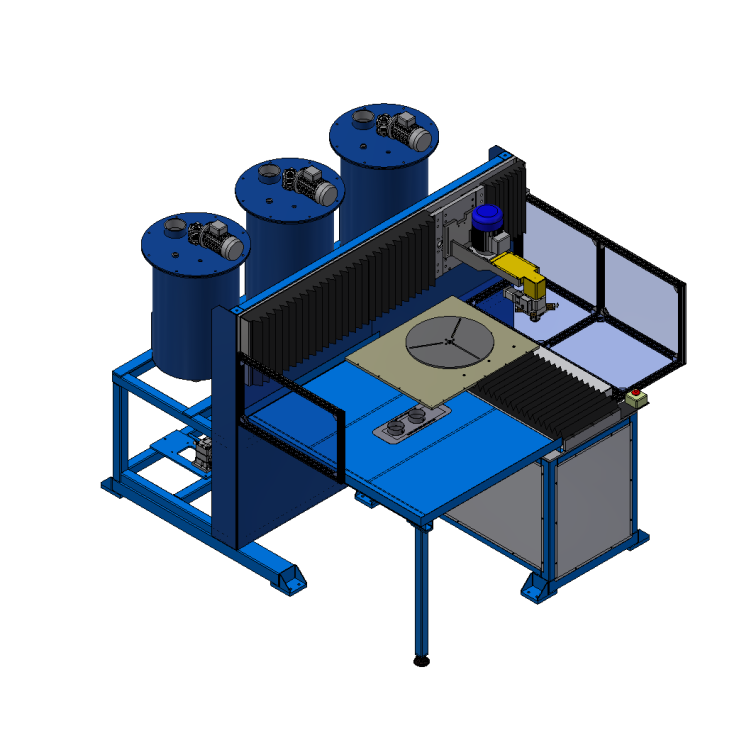
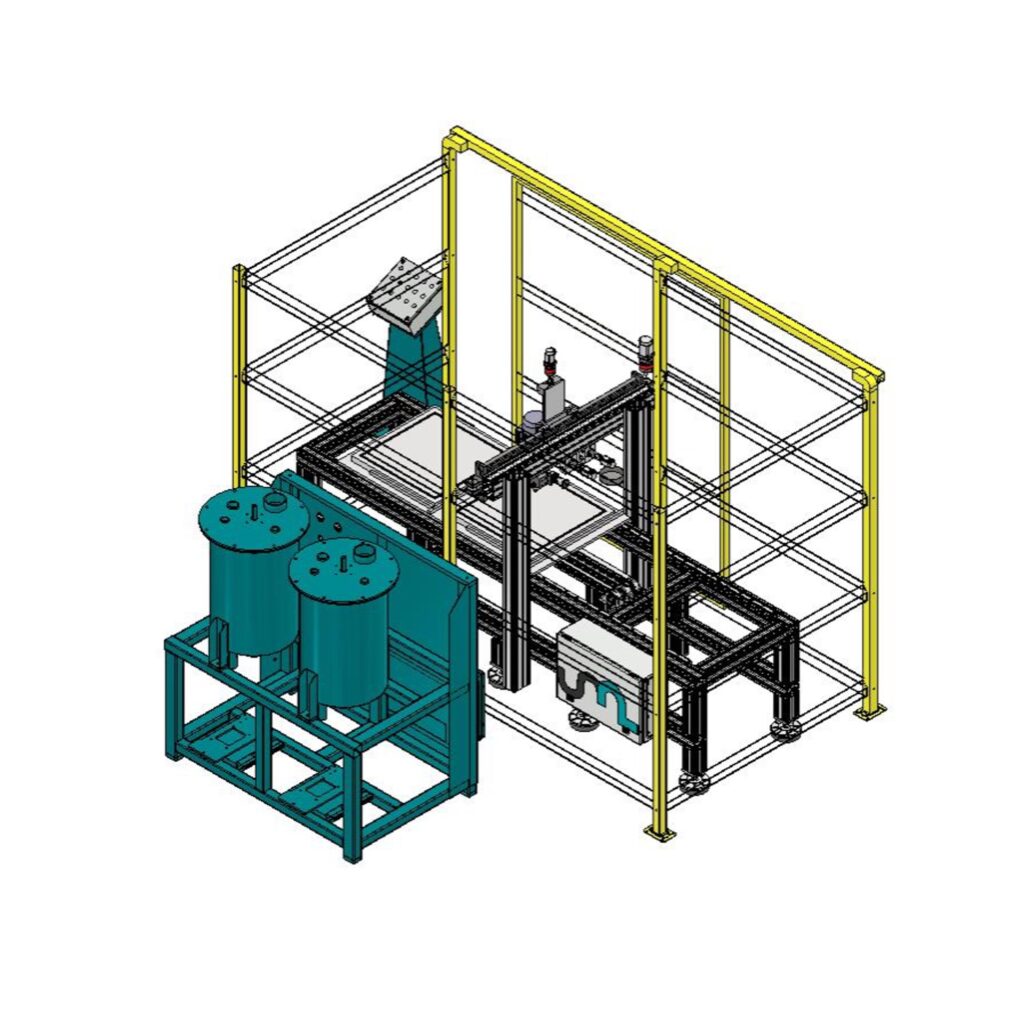
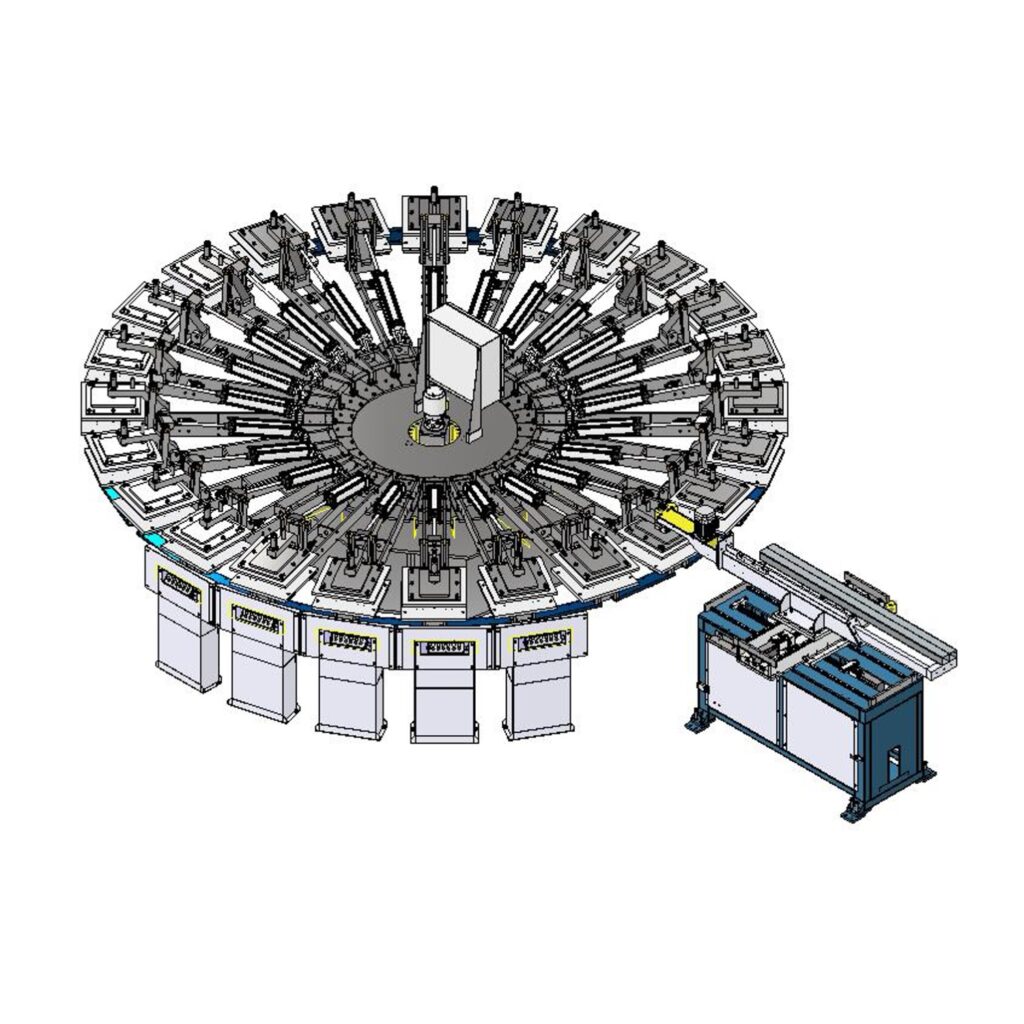
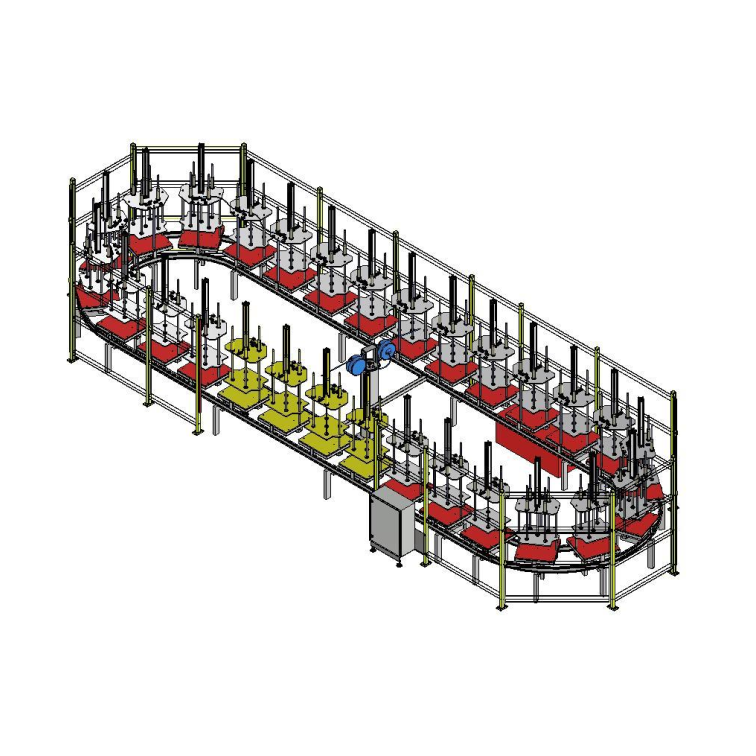
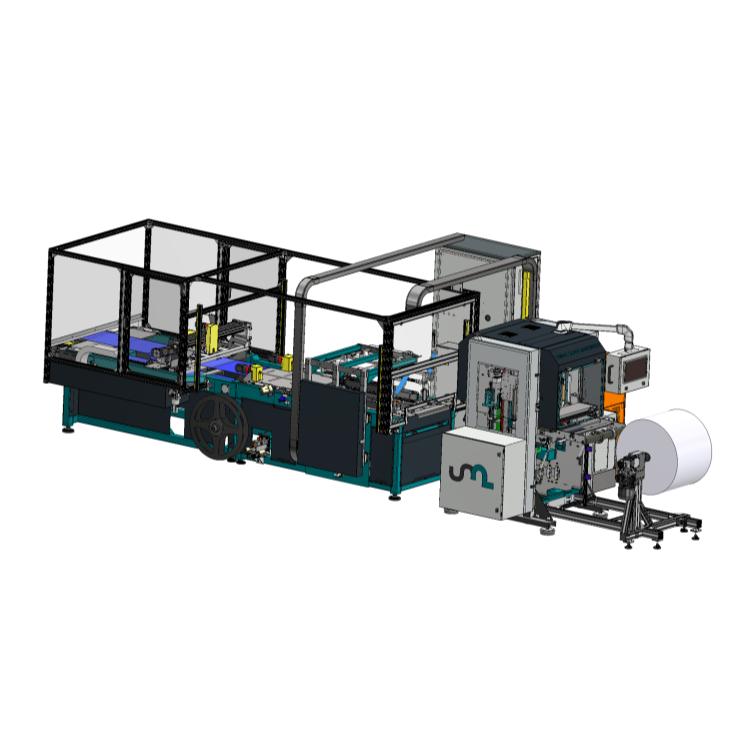
For both families, SPM designs its production lines around the product specifications rather than the other way around. Blade or roller pleaters handle heavy-duty, multi-layer technical media incorporating wire mesh or high-grammage fiberglass; polyurethane casting lines (such as the Linea 304 Double or the carousel-style Linea 400) process aluminum end-caps—often in smaller batches than those found in the automotive or HVAC sectors—while accommodating high format variability. Since different systems require filters with varying geometries, the ability to handle numerous part numbers without lengthy machine downtime offers a tangible advantage.
SPM’s value proposition for this market centers on a practical benefit: the customer does not need to coordinate multiple suppliers for different stages of the production line. Pleating, cutting, edge gluing, forming, and casting technologies are all designed and built in-house by SPM, meaning that the integration between successive machines is the responsibility of a single point of contact. In an industry where an interface issue between a pleater and a casting machine can halt production for weeks while awaiting coordinated interventions from different suppliers, this is a crucial factor. The same capabilities also apply to the chemical industry, where SPM already serves clients manufacturing filter cartridges for industrial dust collectors—systems that filter air laden with chemical dust and, much like in the energy sector, require structural reliability and process repeatability rather than high production speed.