Two Formats, Two Line Configurations
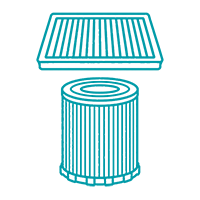
SPM manufactures machines for engine air filters in both panel and cylindrical formats.
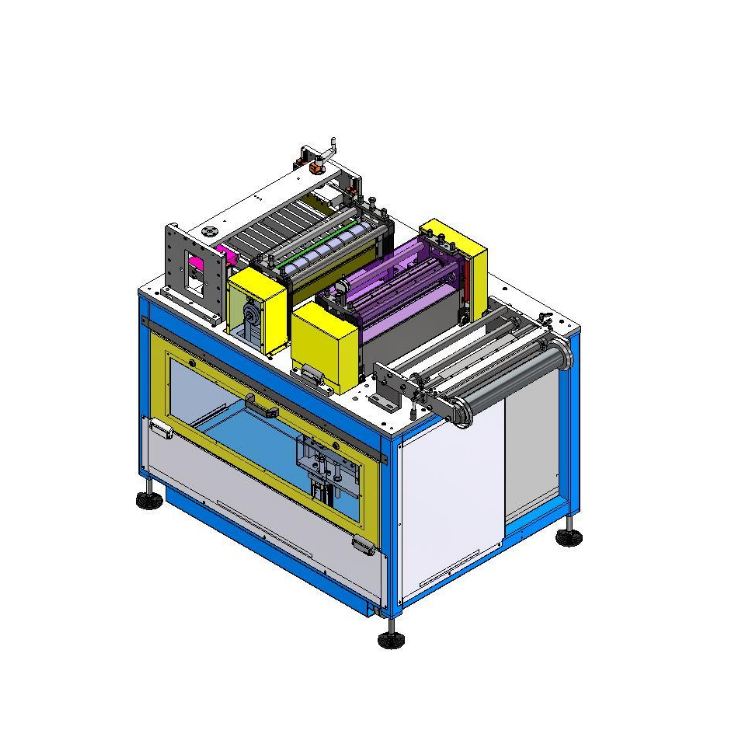
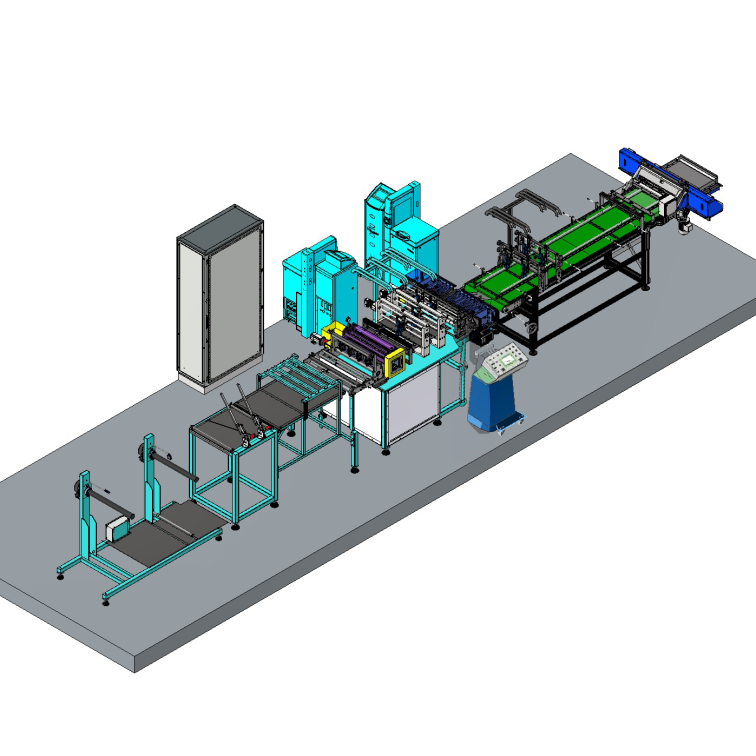
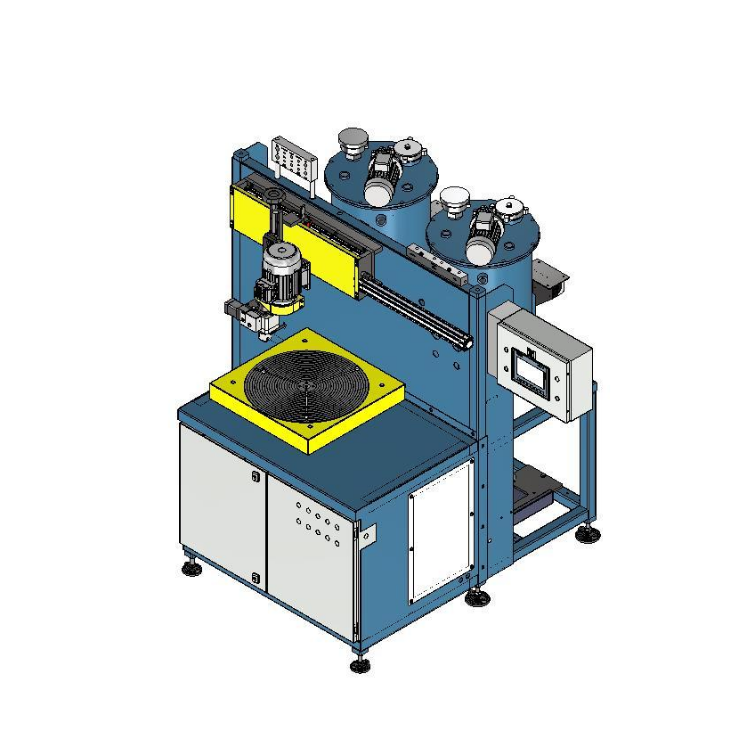
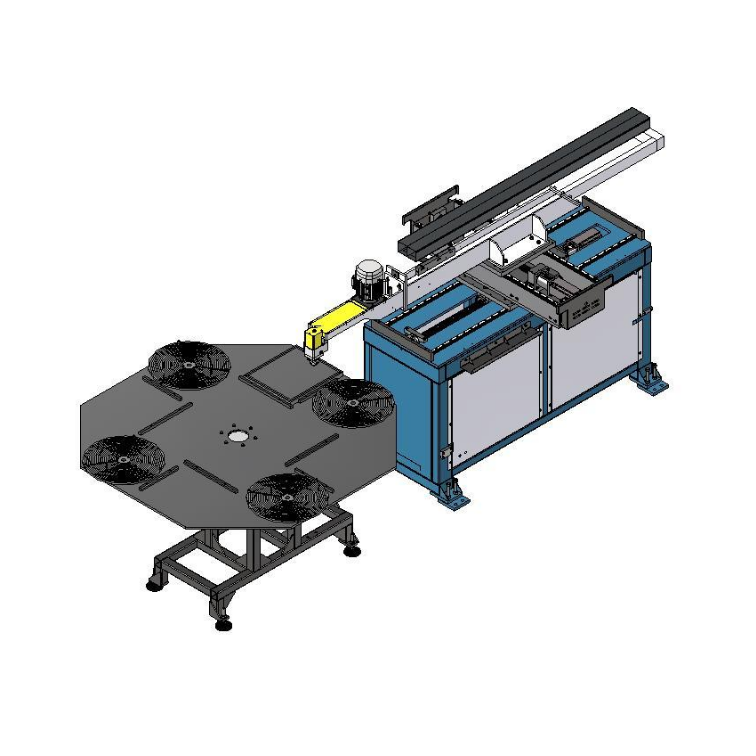
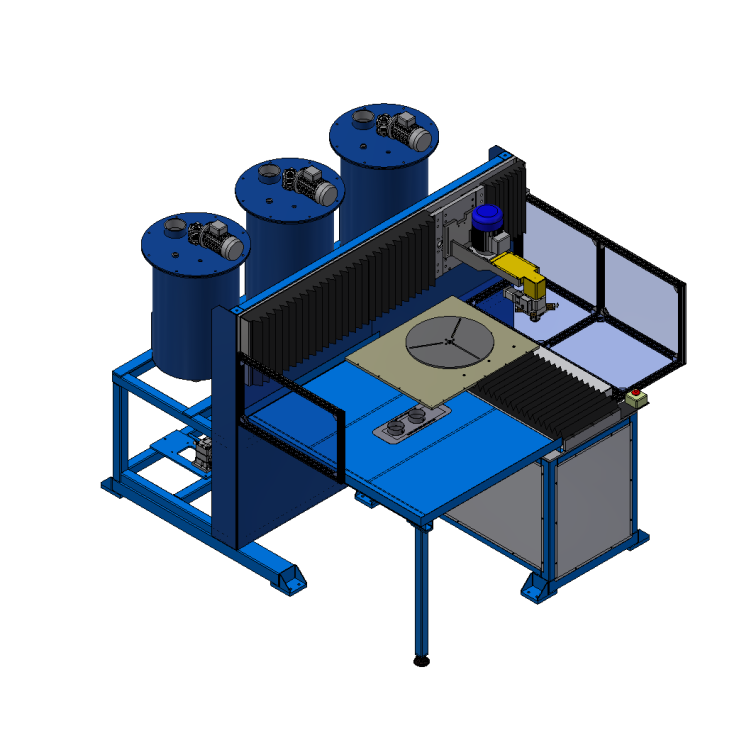
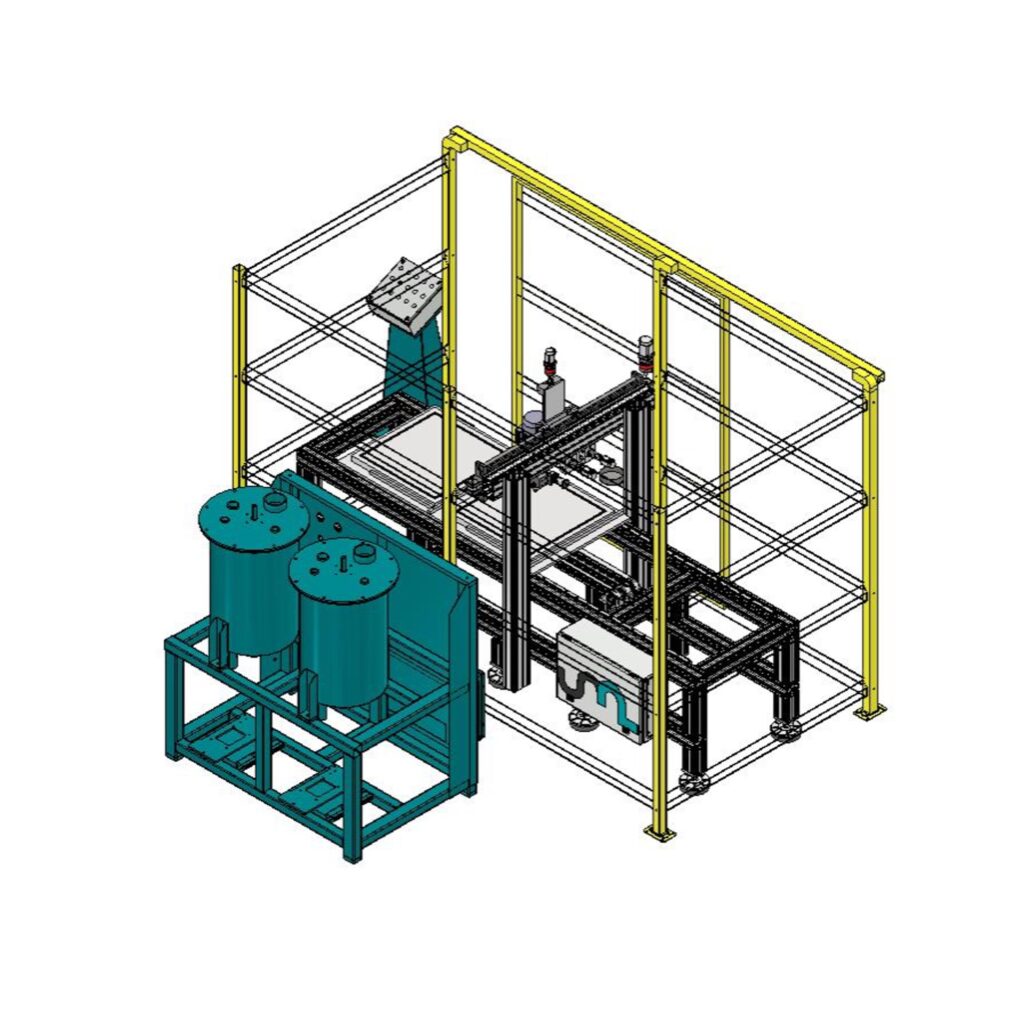
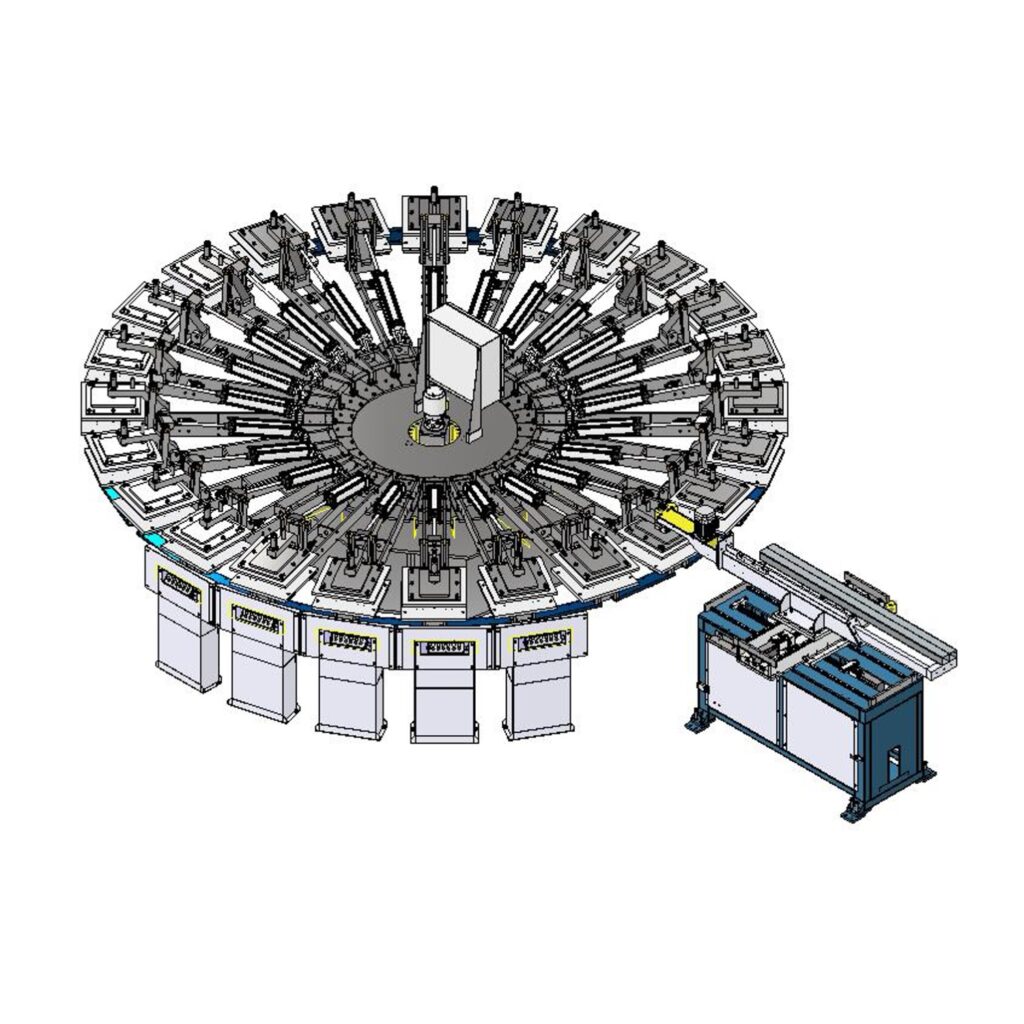
For panel filters, the line is based on the 91XPR roller pleating machine, also available in the TP version with side sealing for trapezoidal-section filters. Downstream, it can be combined with 120, 200 or 300 casting lines and TMAT/CMAT curing stages. For cylindrical filters, the process starts with 92XTS multilayer pre-cutting, followed by pleating, cross-cutting with edge gluing, and finally casting on Line 100, 120 Double, 304 or 400.
OEM or Aftermarket: Same Technology, Different Automation
Production rates vary depending on the format and level of automation. Small cylindrical filters can reach 600 units/hour, while larger formats achieve approximately 120 units/hour. For panel filters, the most automated lines can reach 480 filters/hour, while manually controlled lines achieve around 180 filters/hour.
The difference between OEM and aftermarket customers lies in the level of automation. OEMs focus on continuous production and high volumes. The aftermarket prioritizes flexibility: multiple product codes, short batches and rapid format changes without long machine downtimes.
The Right Metric Is Not Millimeters: It Is Repeatability
When it comes to end-cap dimensional tolerances, SPM approaches the issue differently from the customer. The final geometry mainly depends on the mold and material, rather than on the machine itself.
What the line guarantees is repeatability: the same process, batch after batch. The typical scrap rate is below 4%. In real-world production, this metric is more useful than any millimetric tolerance stated in a catalog.