
Technical Paper Parameters: Temperature and Mechanical Strength
For oil filters, two material parameters matter most: thermal resistance and mechanical strength. SPM processes technical filter paper for temperatures of up to 150 °C, with burst pressure exceeding 10 bar.
These values become critical under real operating conditions, not just in laboratory tests. An oil filter that cannot withstand peak temperature and pressure is a production process issue, not an assembly issue.
The Same Machine for Engines, Hydraulics, and Turbines
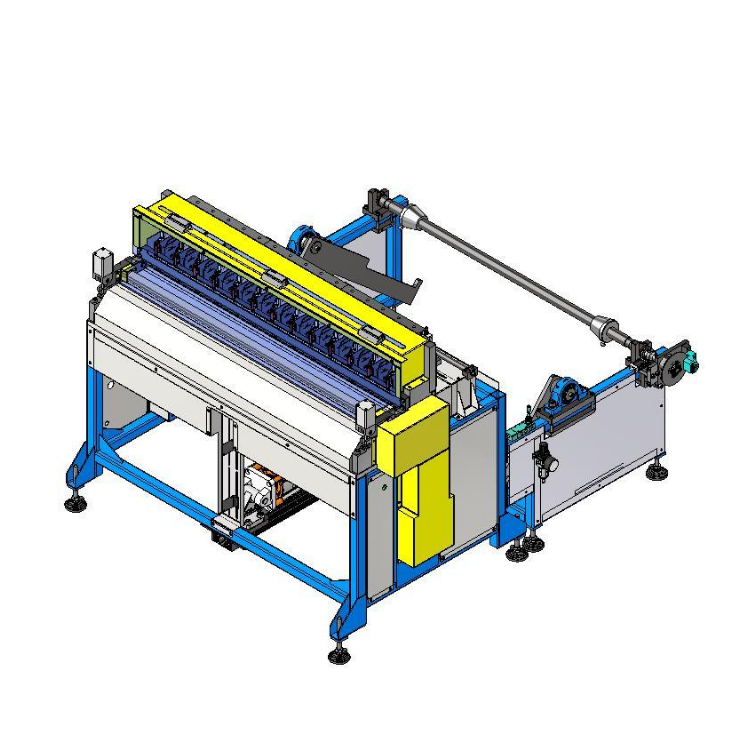
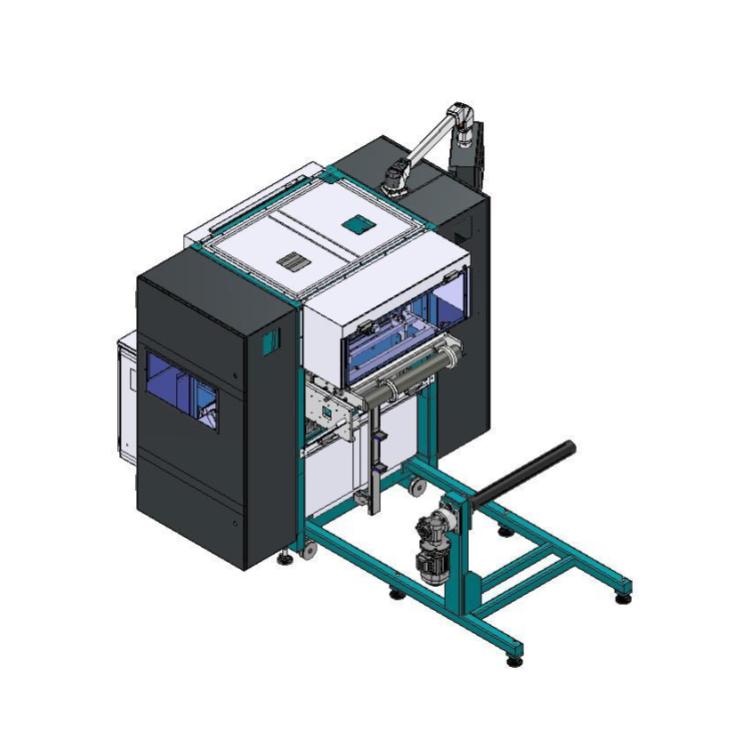
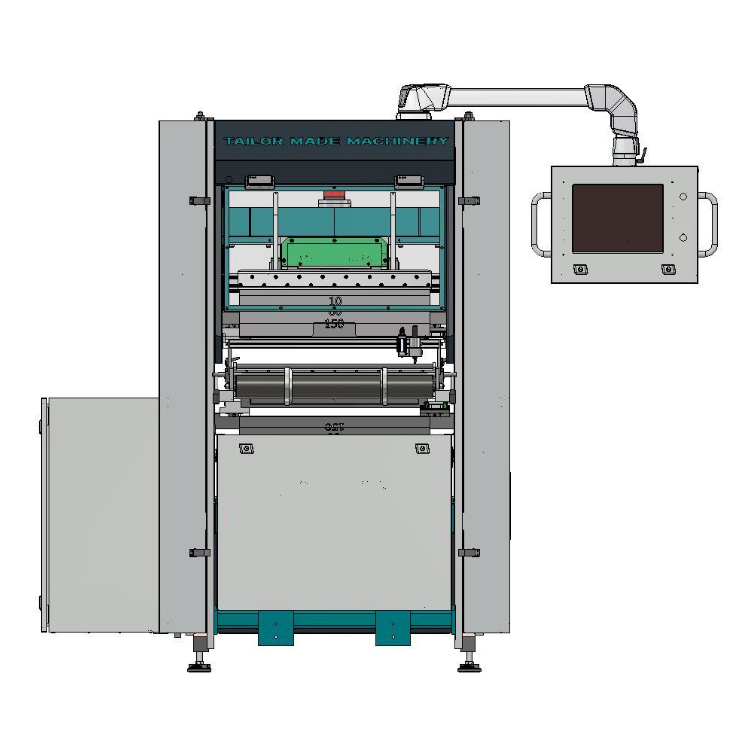
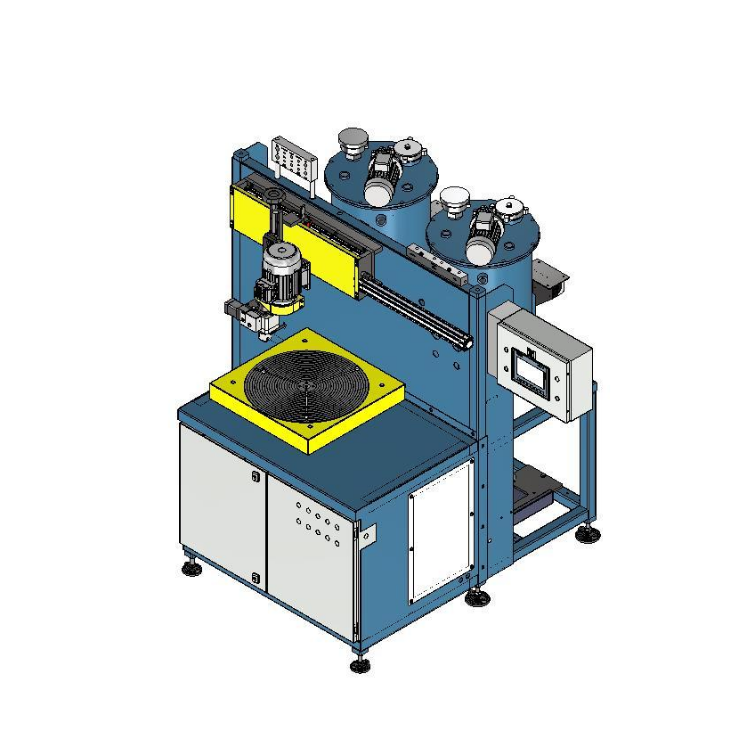
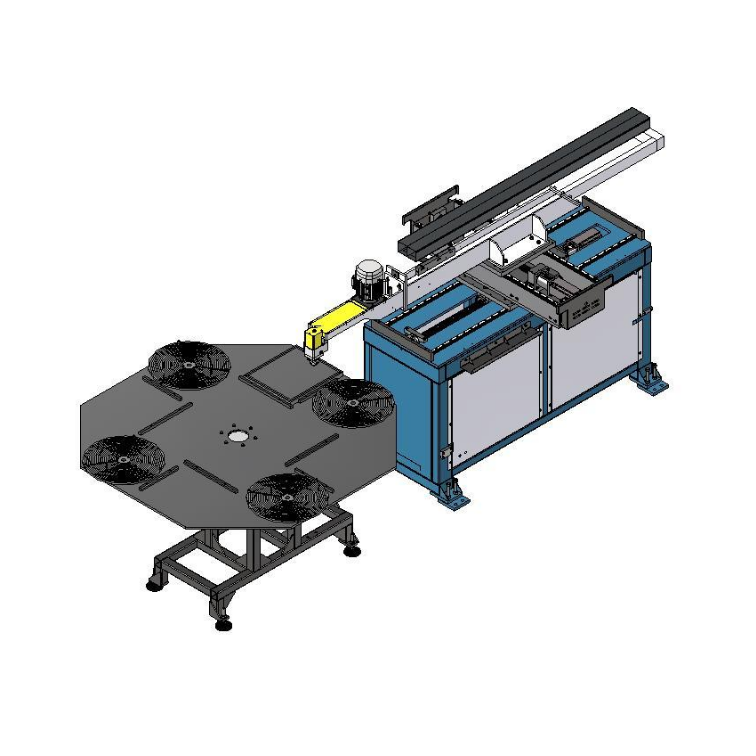
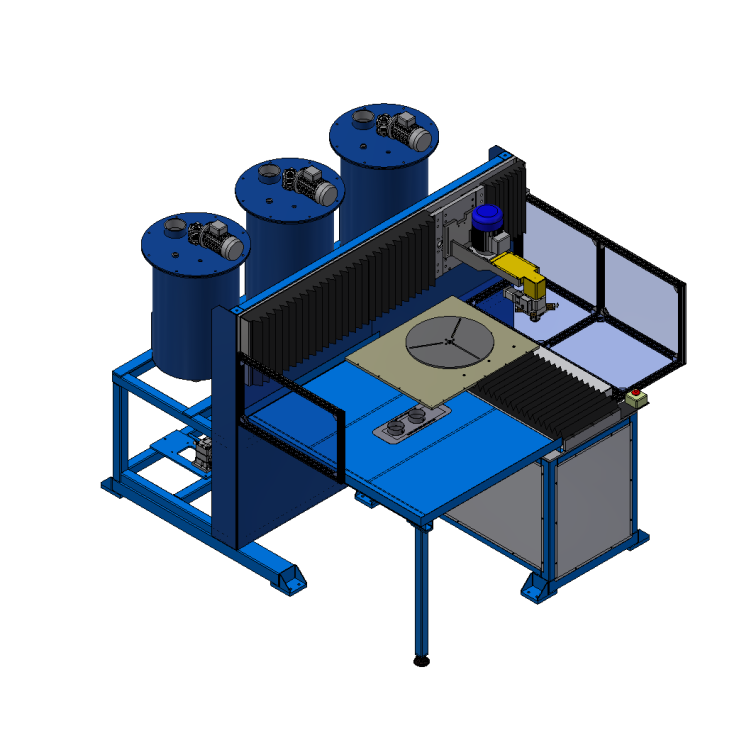
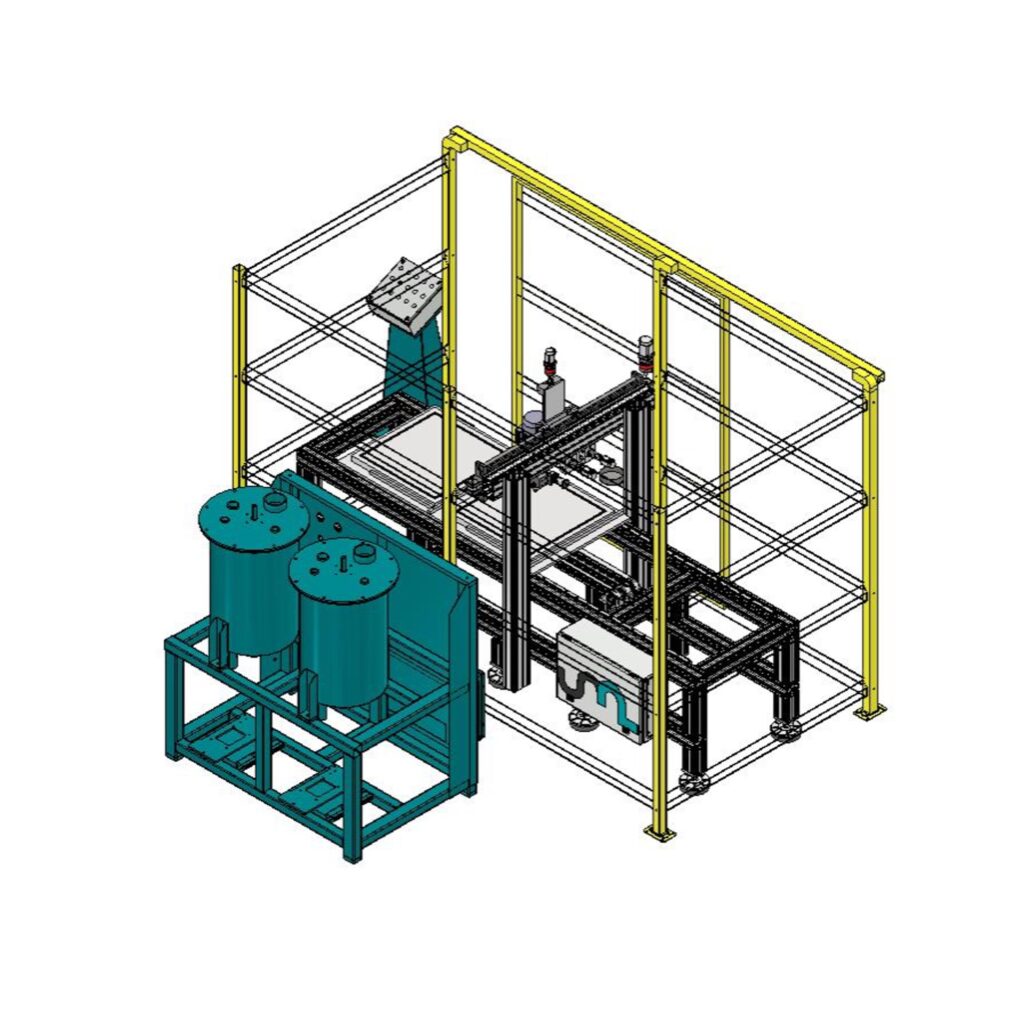
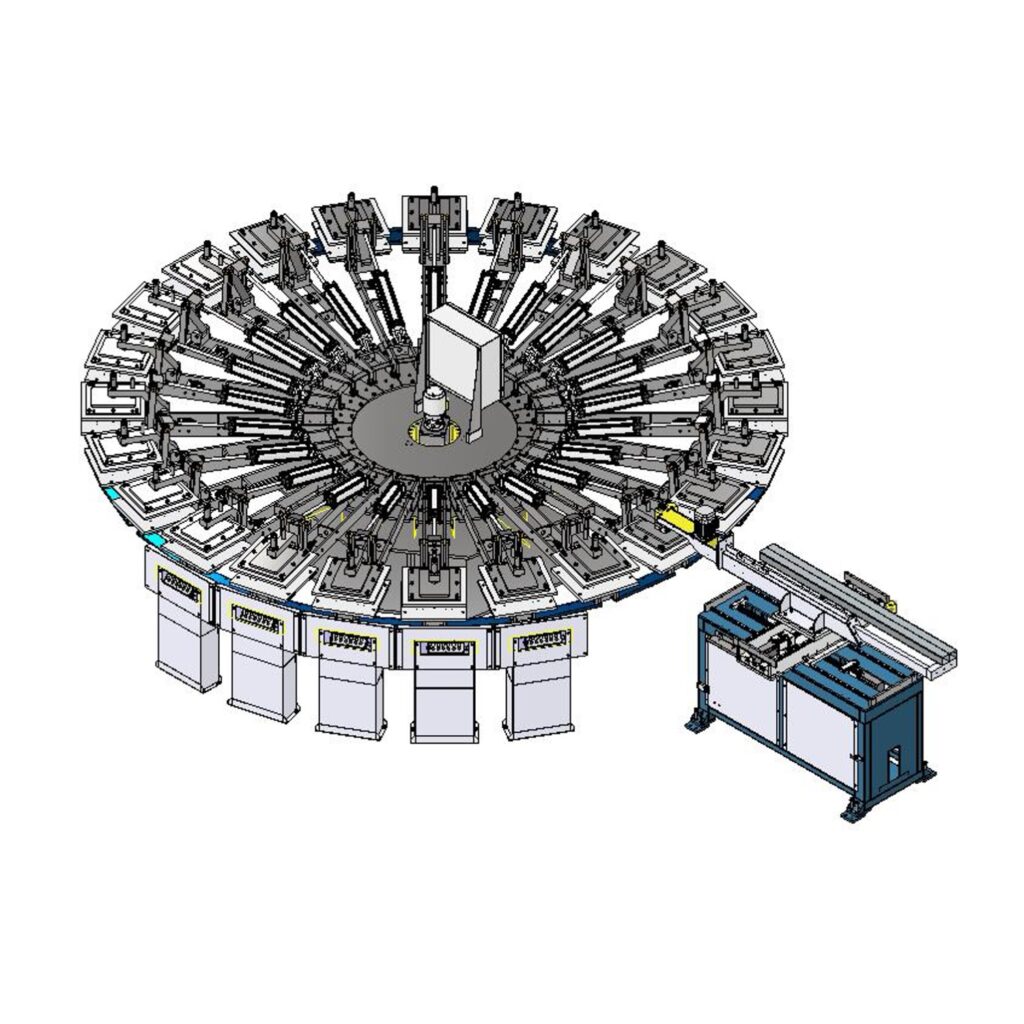
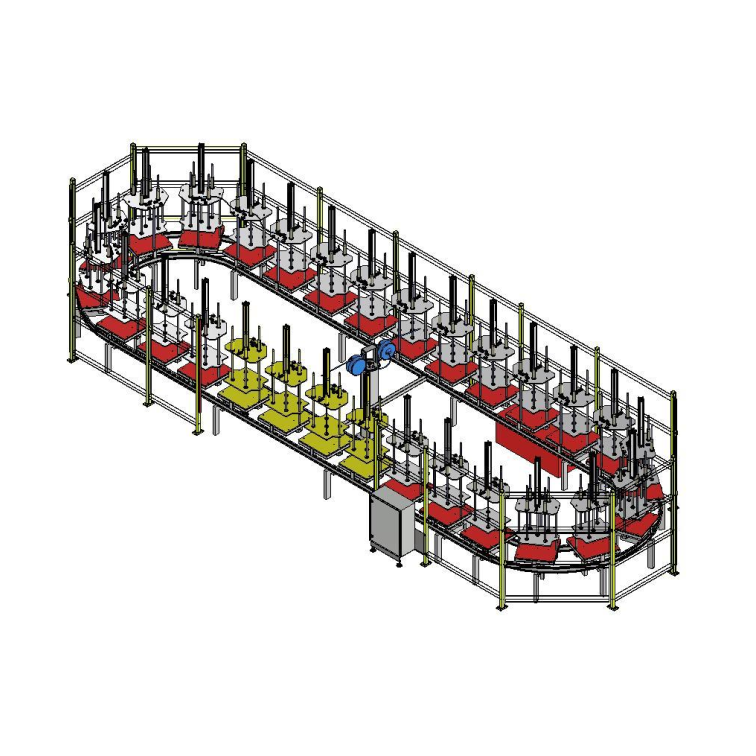
The same line configuration can produce oil filters for three different applications: automotive engines, hydraulic systems, and turbines. The filter media changes, not the machine.
For hydraulic systems and turbines, the required filtration rating is finer: 3–5 microns compared with the coarser grades used in automotive applications. End caps are often made of aluminum rather than standard materials. The rest of the process remains identical.
2–5 mm Pleat Pitch: Why Repeatability Is Critical
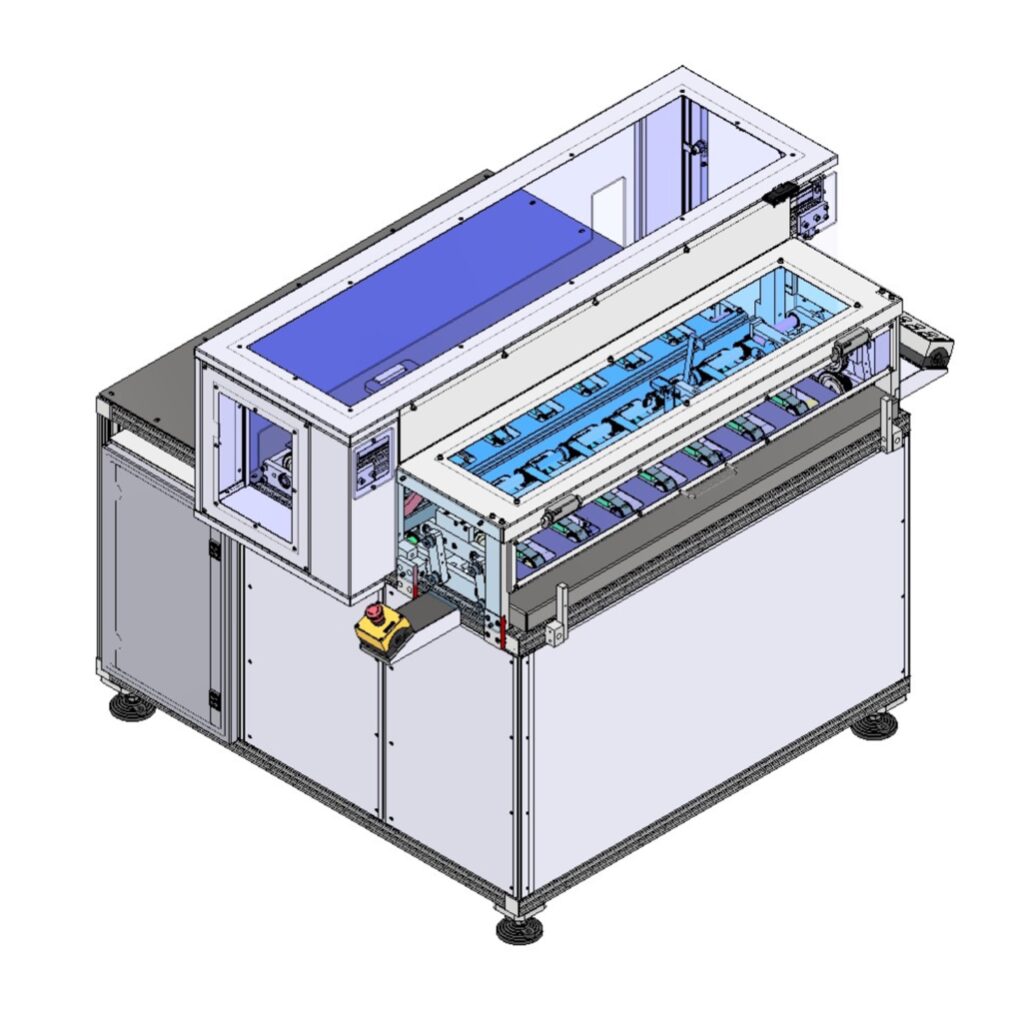
The guaranteed pleat pitch ranges from 2 to 5 mm, with a repeatability of ±0.15 mm. This figure matters more than it might seem.
A pleat pitch variation of just a few tenths of a millimeter changes the effective filtration area of each element. And the effective area determines the filter’s specified performance. If measurements vary from one part to another, the performance stated in the technical data sheet can no longer be considered reliable.