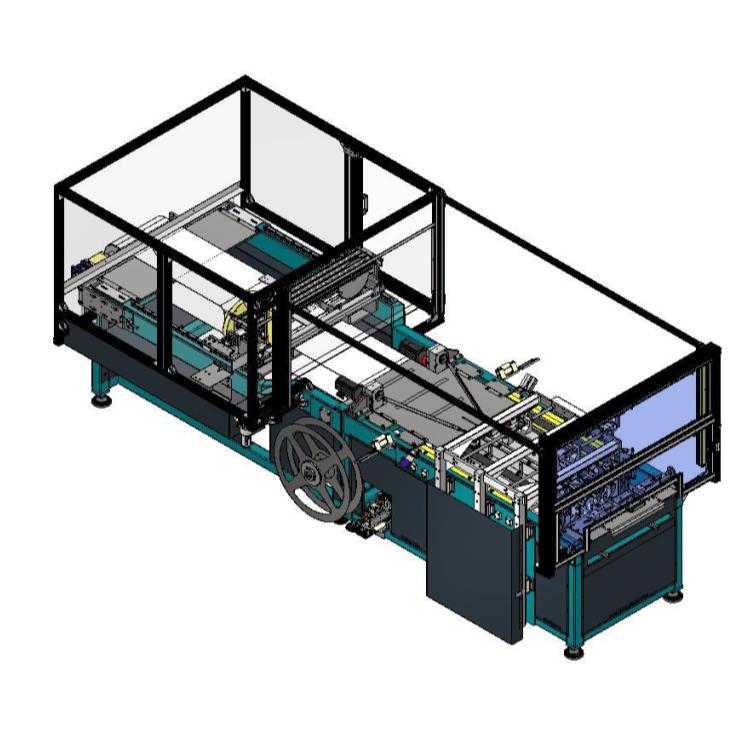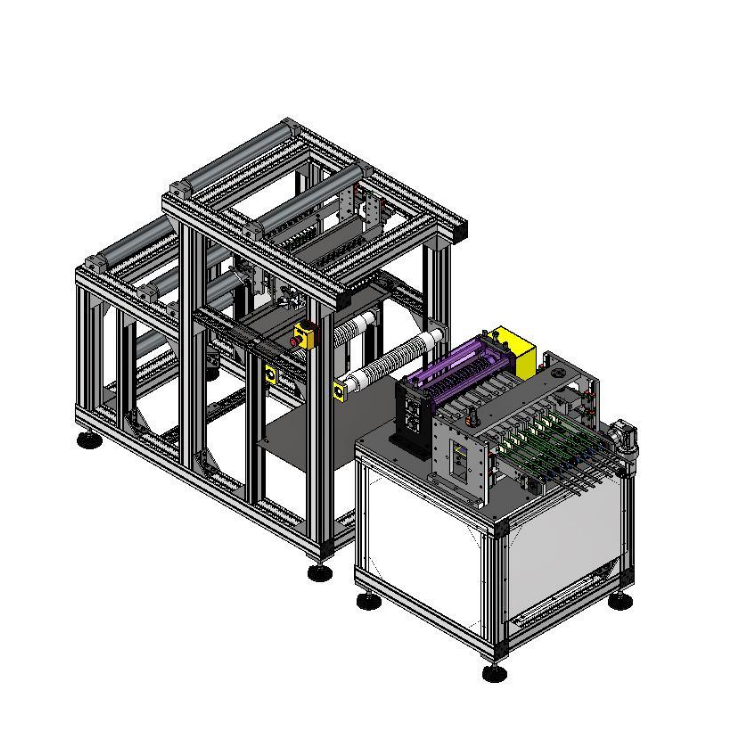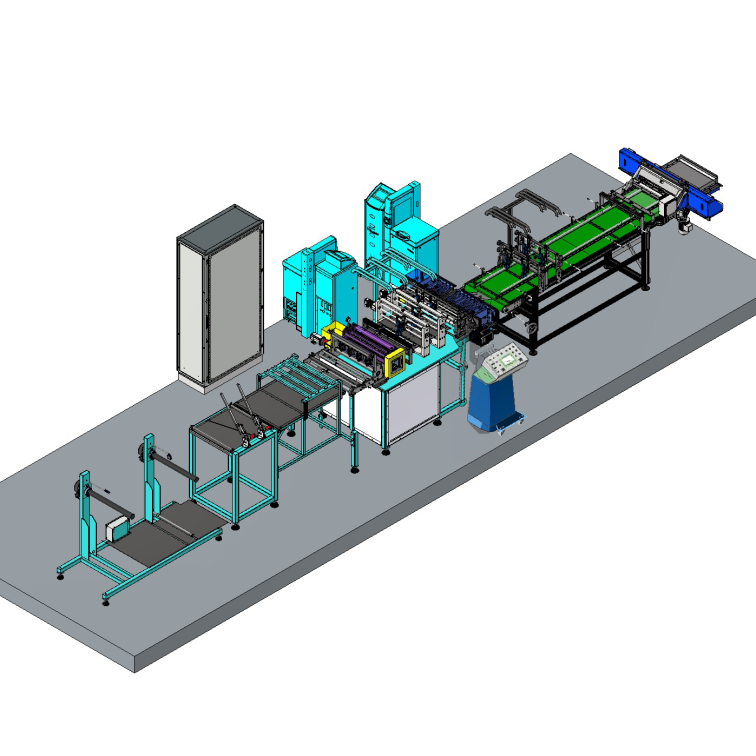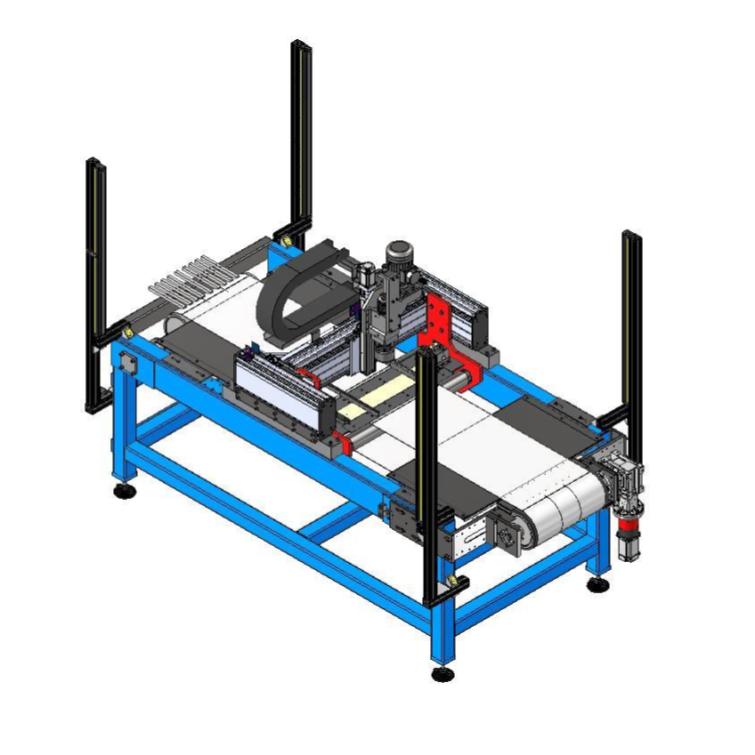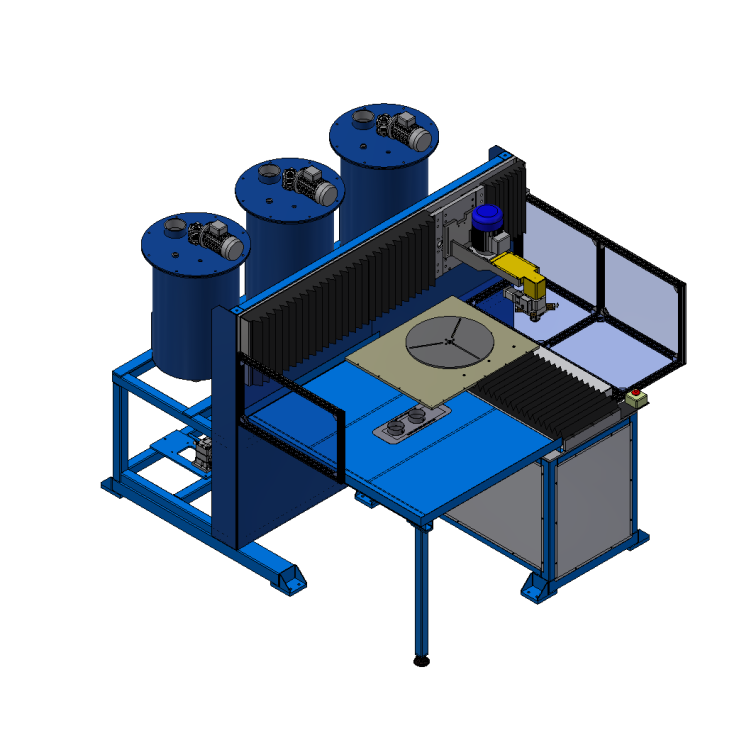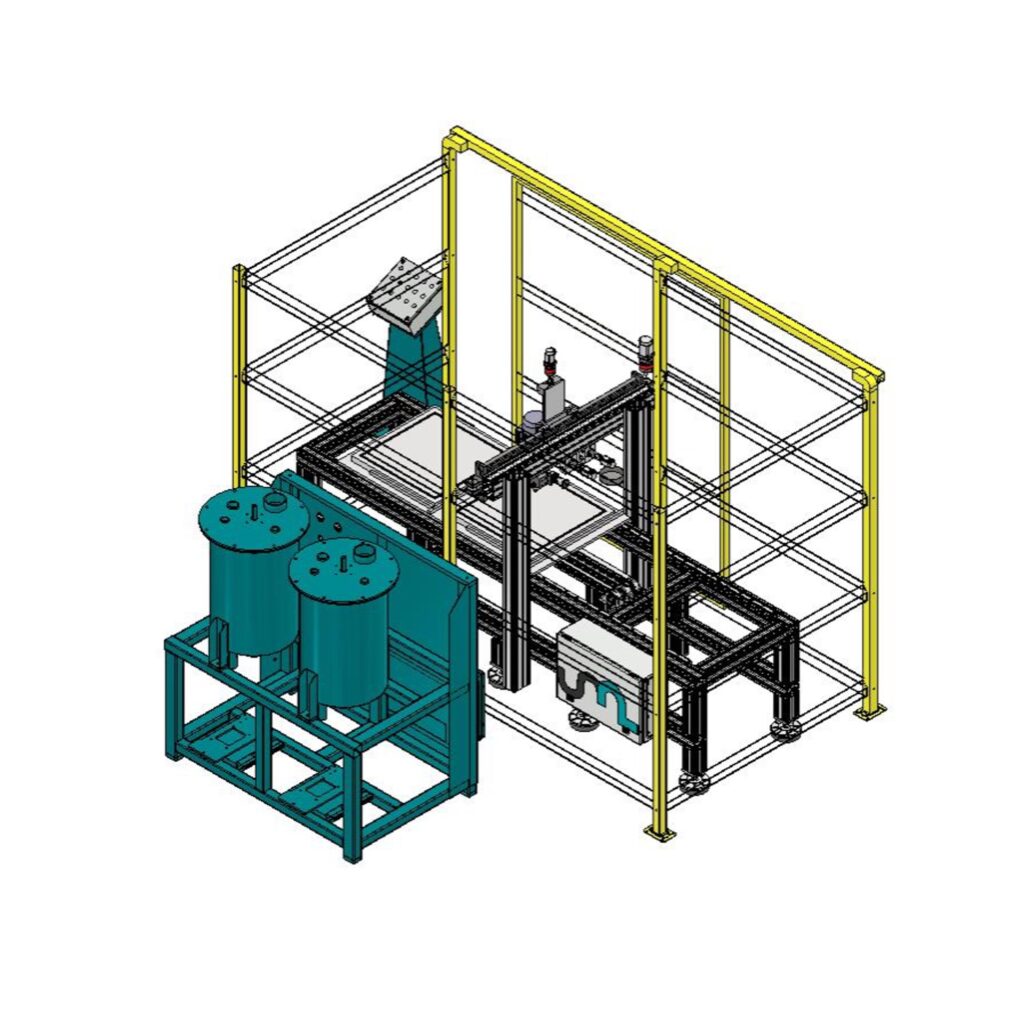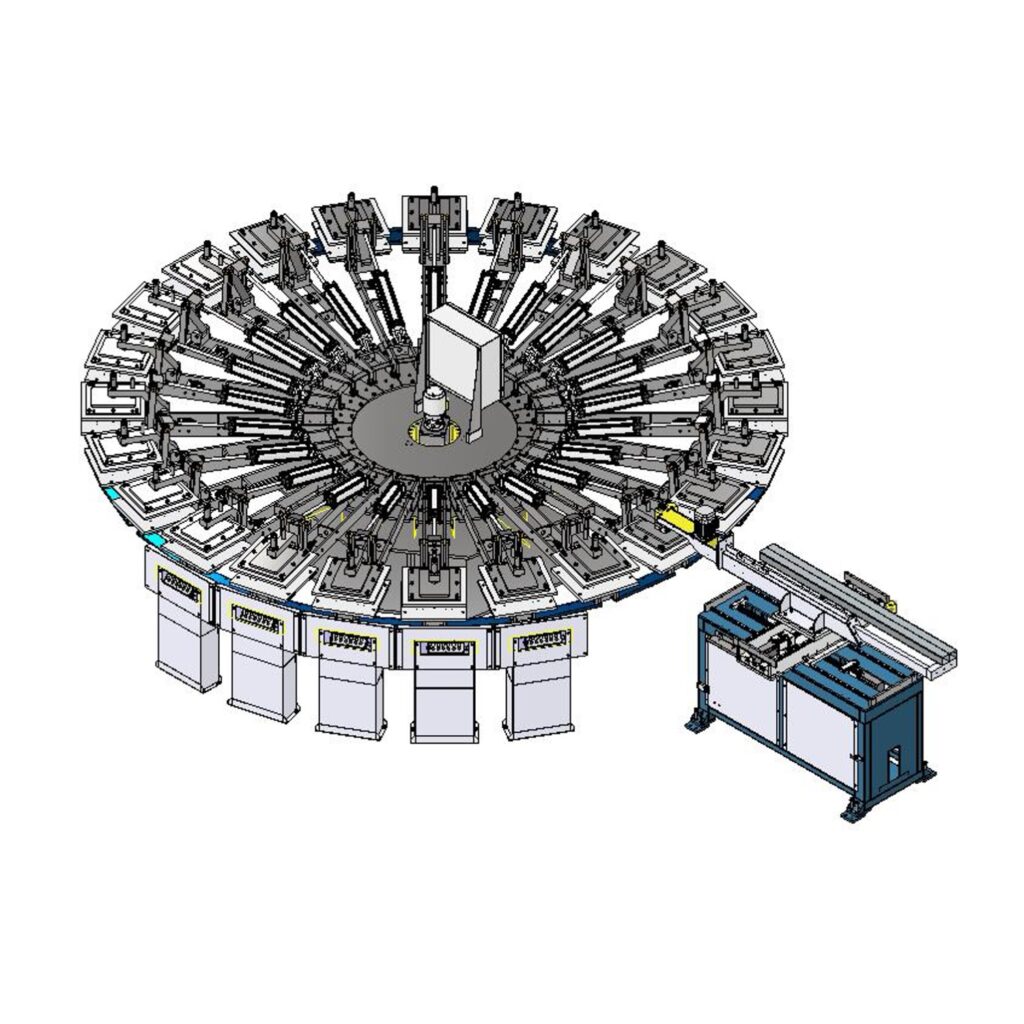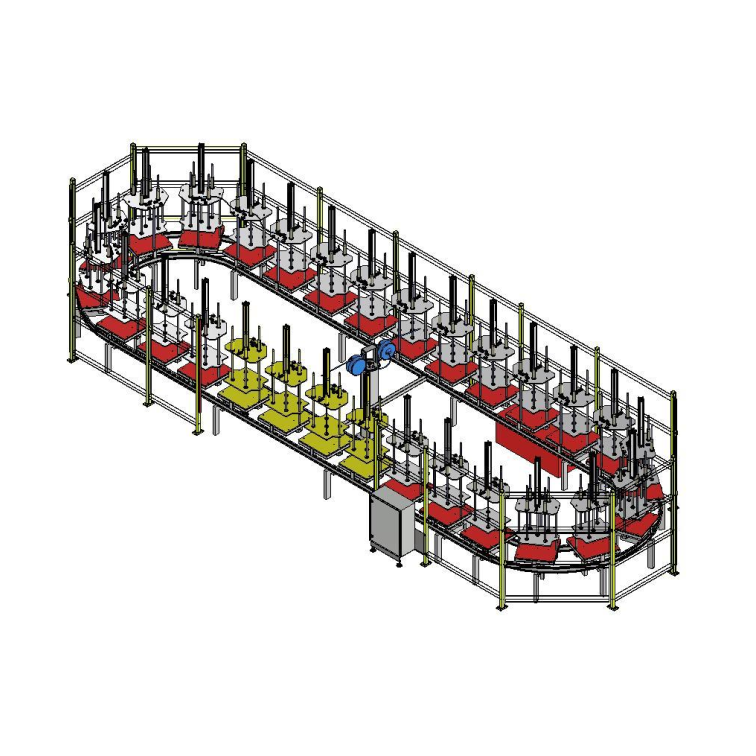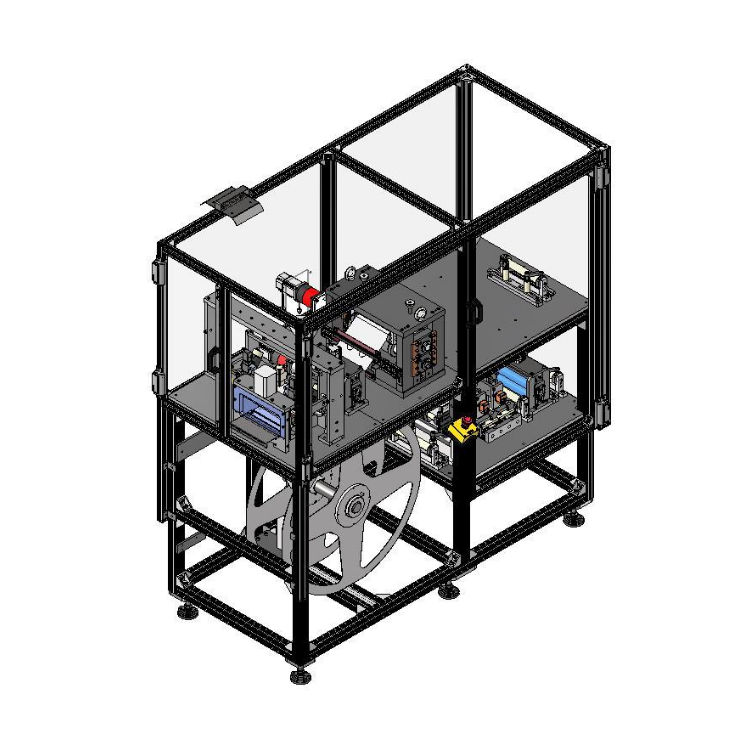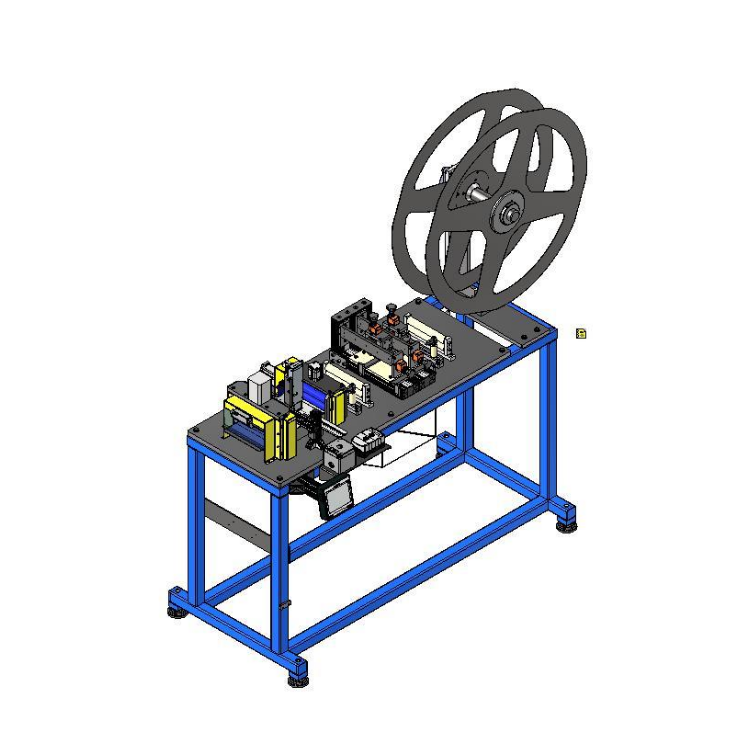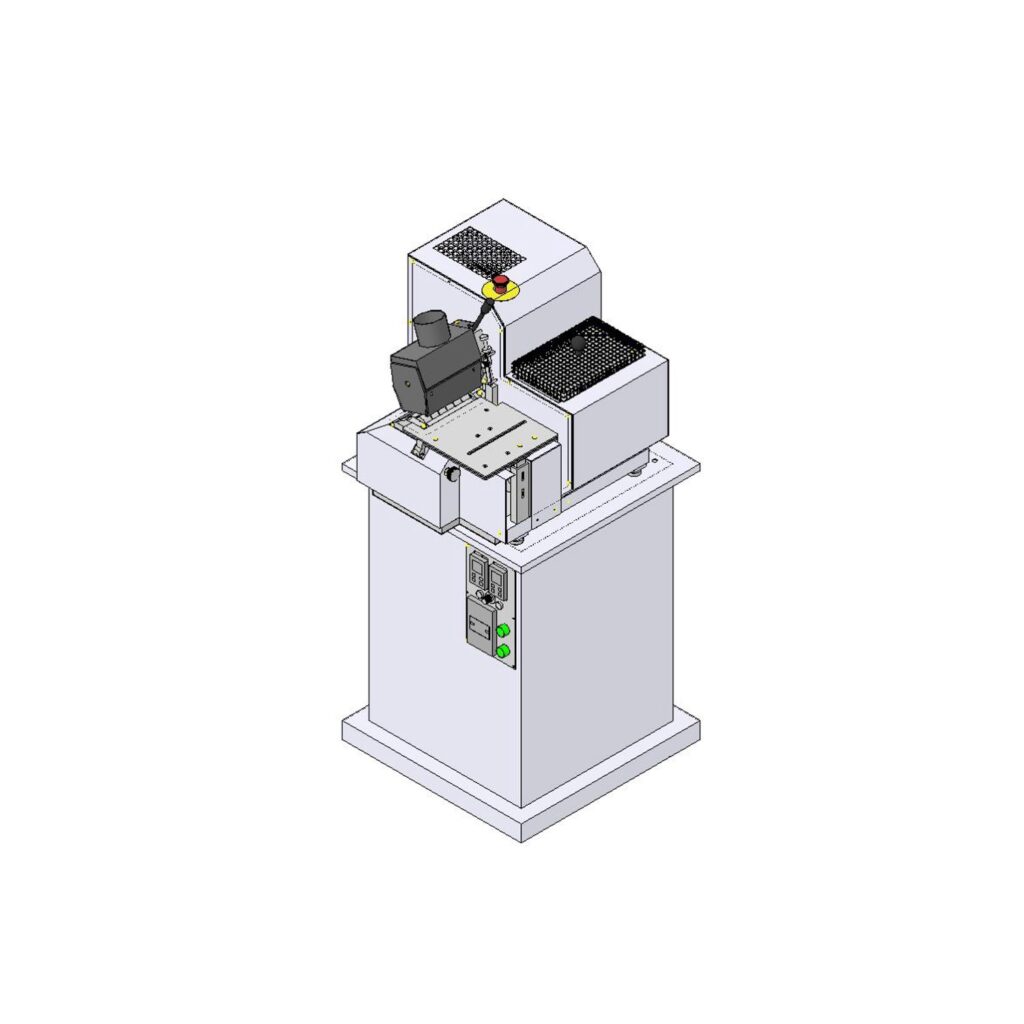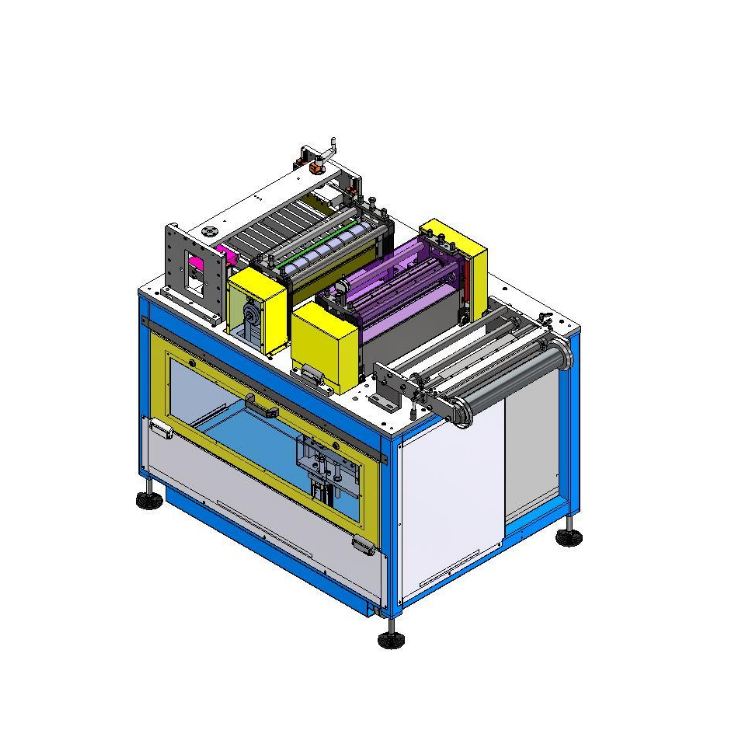

The automotive industry is the sector where the distinction between OEM and aftermarket clients is most clearly reflected in production line configuration. Manufacturers supplying automakers operate with high volumes, tight tolerances, and contractually mandated process continuity; consequently, SPM lines for this segment are highly automated, designed to handle thousands of units per shift with minimal variability. Conversely, manufacturers serving the independent aftermarket handle a wide range of part numbers and shorter production runs, and cannot afford lengthy downtime for every format change; in this case, the same technology platform is configured with different priorities: maximum flexibility and rapid setup.
Format changes on cabin filter lines accommodate pleat heights ranging from 10 to 150 mm and widths from 120 to 600 mm; if no adjustment to the pitch-change screws is required, the operation takes approximately 10 minutes, whereas changing the screws extends the time to 20–30 minutes, depending on the configuration. For an automotive cabin filter line, transitioning from semi-automatic production (4 filters per minute) to a fully automated line resulted in a 60% increase in productivity, alongside a level of process continuity the previous configuration could not guarantee.
The automotive product range covered by SPM technology includes both cylindrical and panel engine air filters (including trapezoidal variants for non-standard sizes), oil filters using technical-grade paper rated for temperatures up to 150°C and burst pressures exceeding 10 bar, fuel filters with a Teflon-coated blade option for delicate hydrophobic media, and cabin filters available in both standard versions and combined types featuring an activated carbon layer. A separate line is not required for each product; the same core technology adapts to different requirements through configuration adjustments. The same machines that produce filters for light automotive applications also serve the agricultural and earthmoving machinery sectors, where cabin, engine, and hydraulic filters undergo the same production processes, albeit in slightly different formats. SPM already has active clients in these sectors.