
Same Process as the Oil Filter, in a Smaller Format
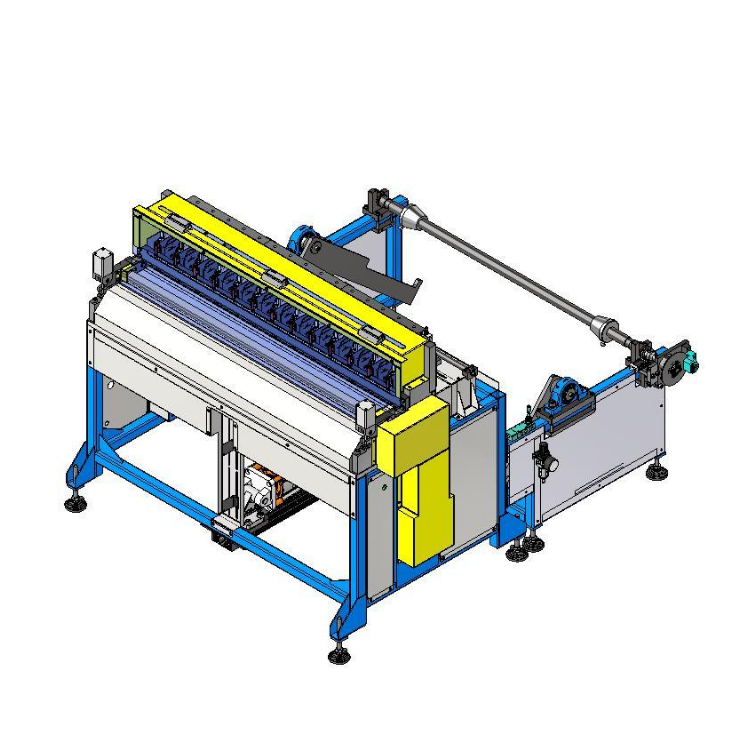
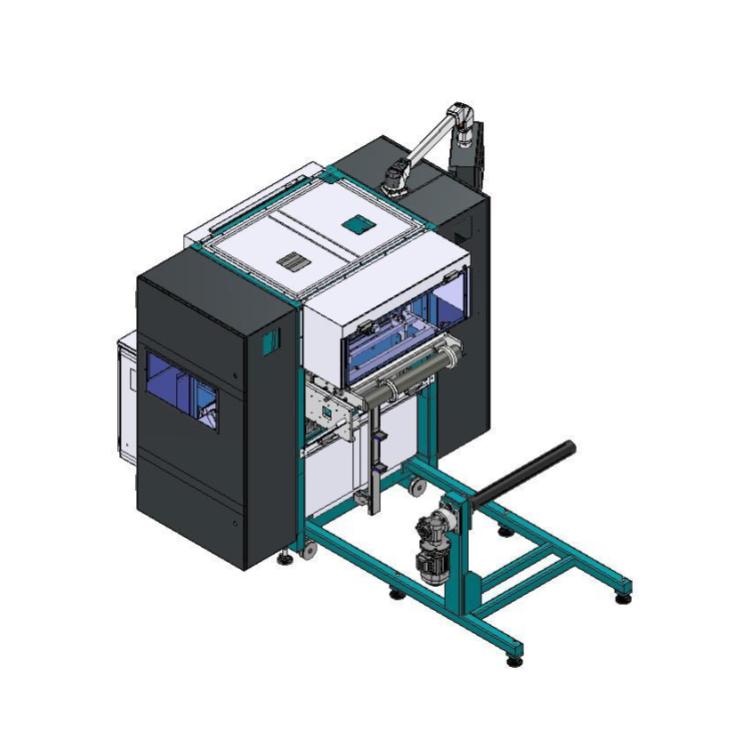
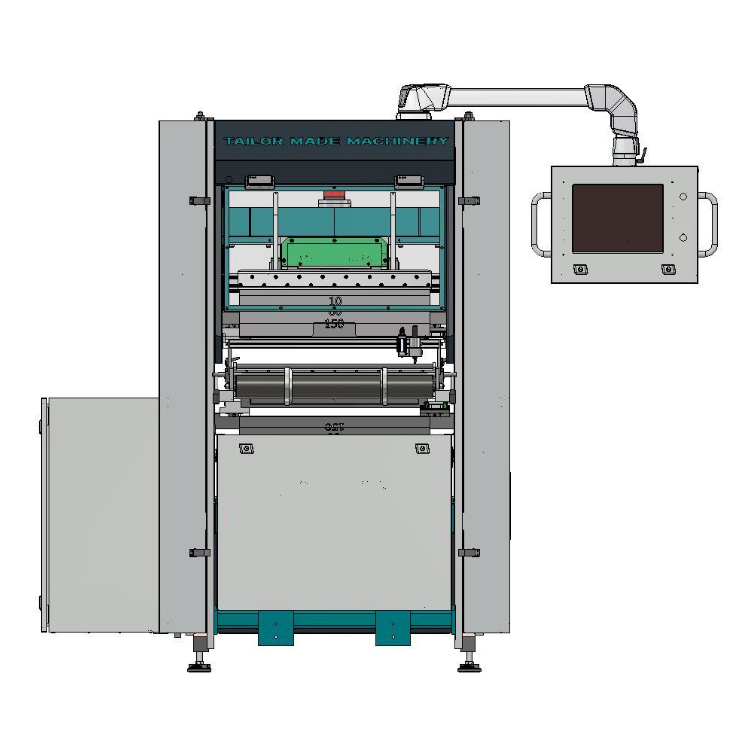
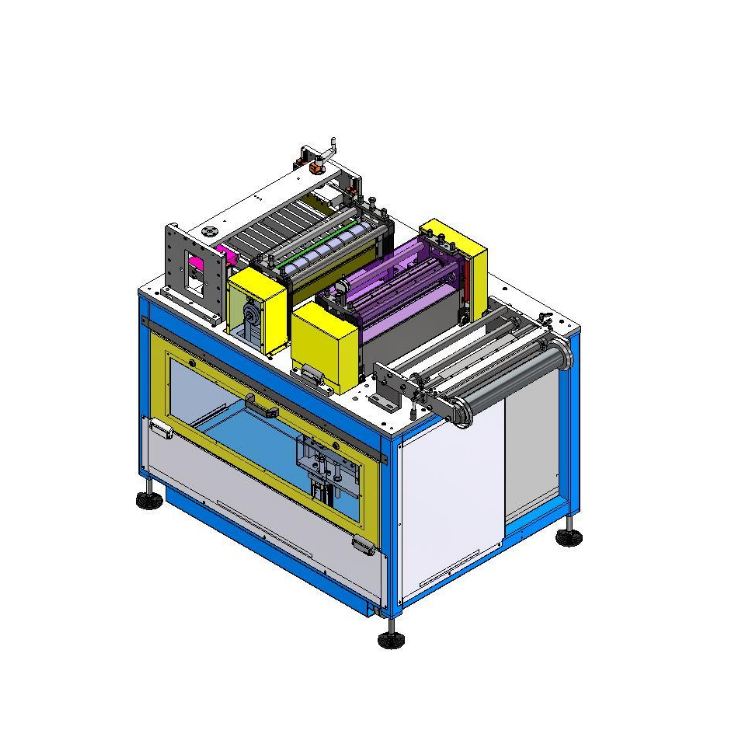
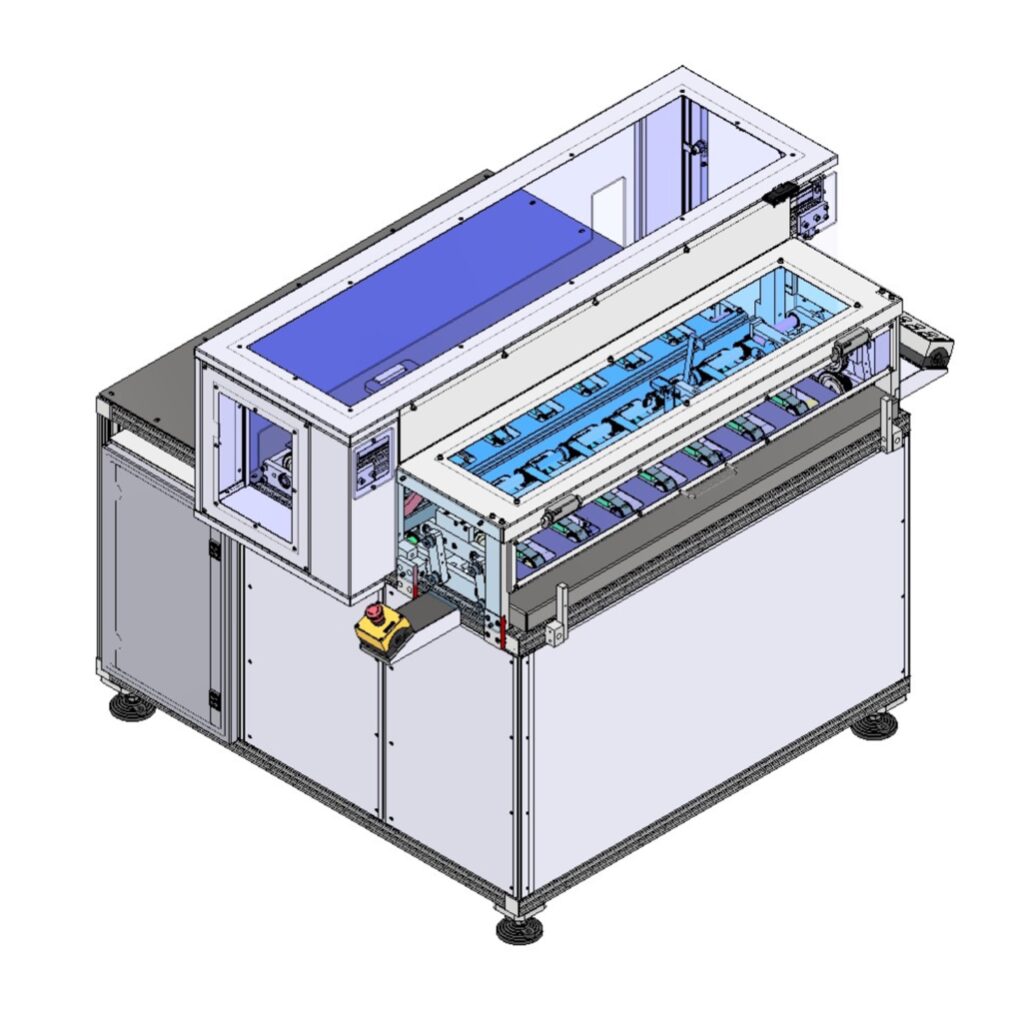
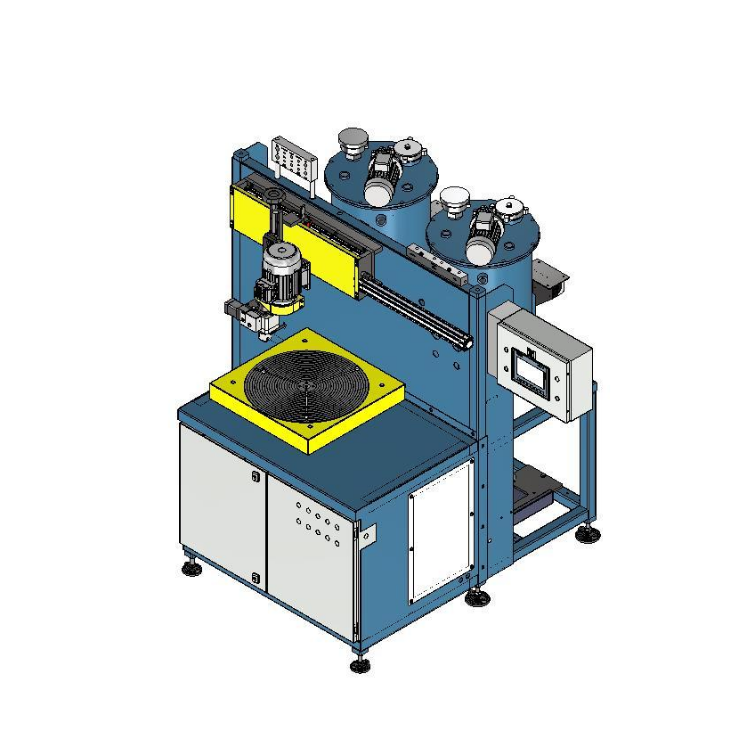
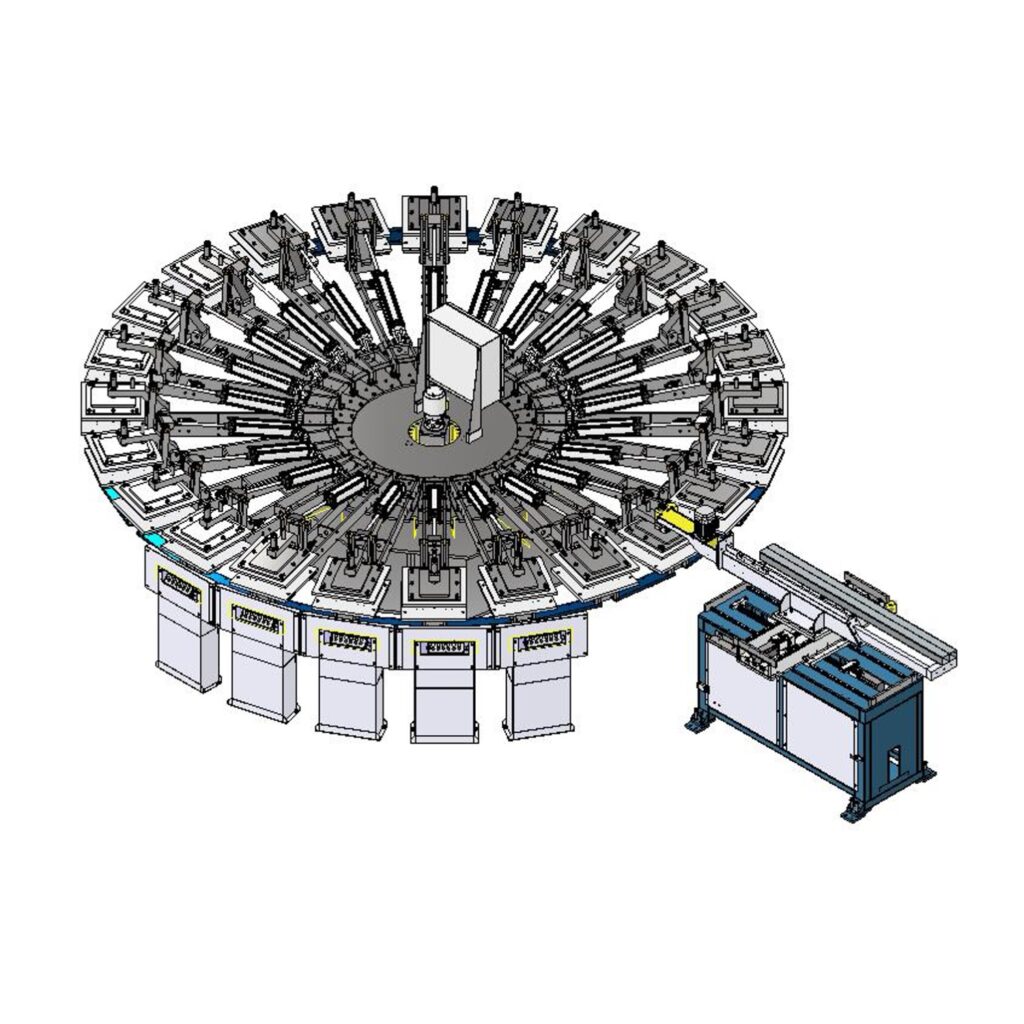
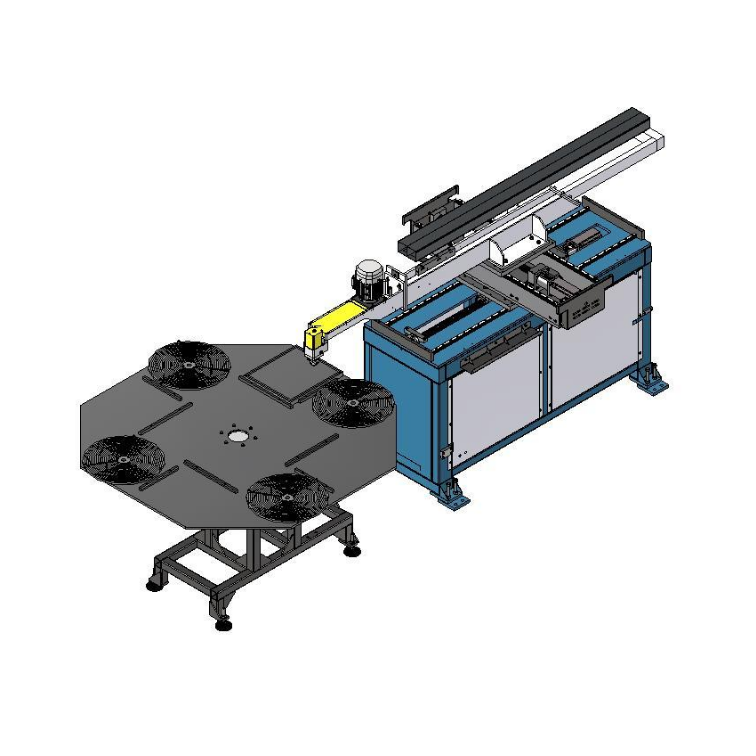
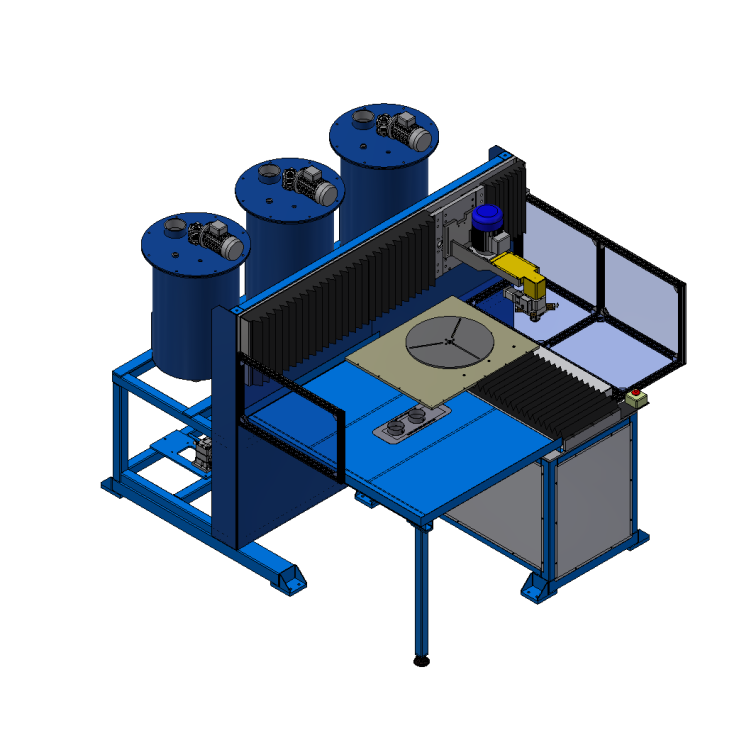
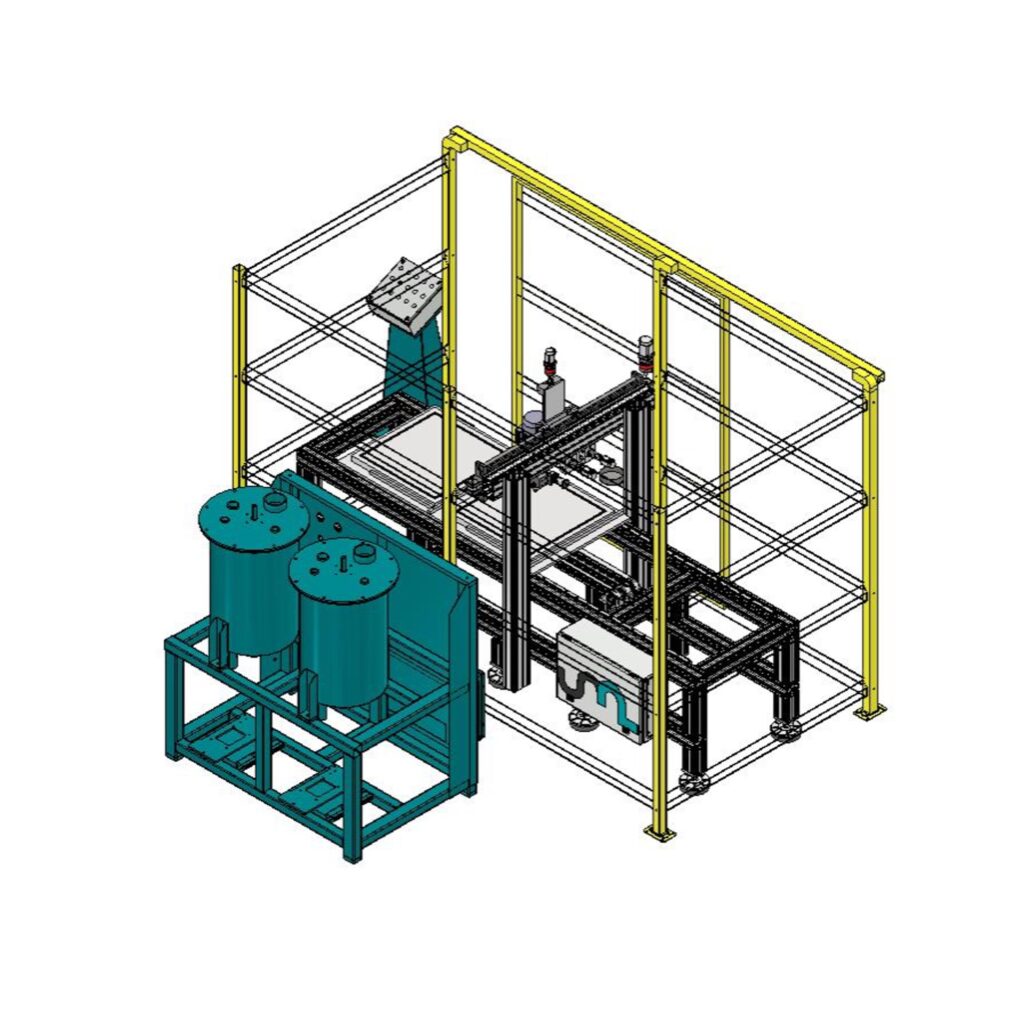
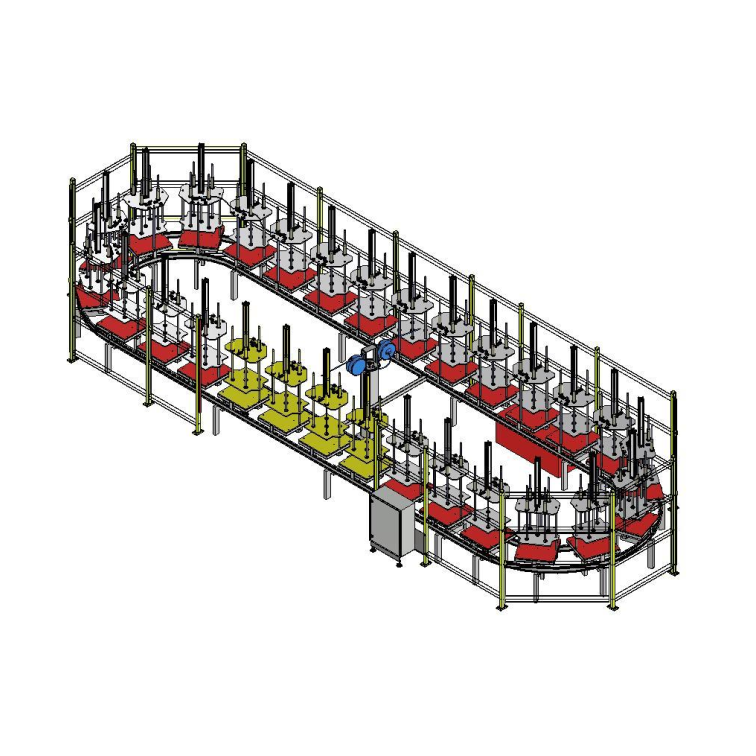
The fuel filter shares much of the production process with the cellulose-paper oil filter. The machine sequence is the same: 92XTS pre-cutting, blade or roller pleating, cross-cutting with edge bonding (94XTT-HM), and casting on the 101COMPACT or on multi-station lines.
The main difference is the format: it is smaller. Adaptation is achieved by adjusting the machine configuration parameters, rather than purchasing a different production line.
Delicate Hydrophobic Paper: How to Handle It Without Changing the Machine
Hydrophobic-treated technical paper separates emulsified water from fuel. The specifications of this material vary from one manufacturer to another.
When the material is particularly delicate, SPM does not recommend replacing the machine. Instead, it modifies the cutting blades by applying PTFE coatings. The blade moves more smoothly across the material without damaging it. It is a component-level adjustment, not an investment in a new production line.
From Passenger Cars to Heavy-Duty Vehicles: The Same Machine
For heavy industrial vehicles, trucks, and earthmoving machinery, the fuel filter is simply larger. The machine remains the same; only the configuration parameters change.
The repeatability ensured by the SPM line typically keeps process scrap below 4%. In real-world production, this is the most relevant metric: not the millimetric tolerance of a single part, but process stability from one batch to the next.